




What's Happening?
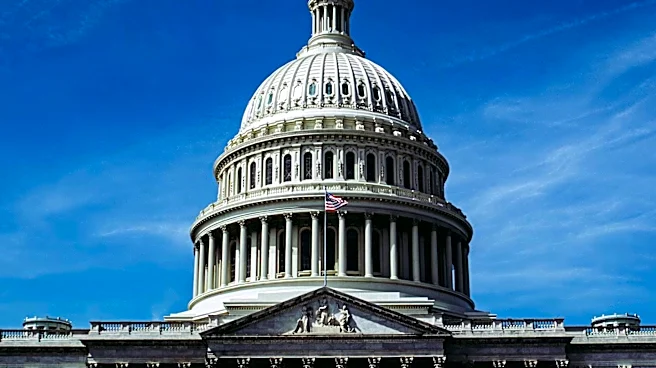
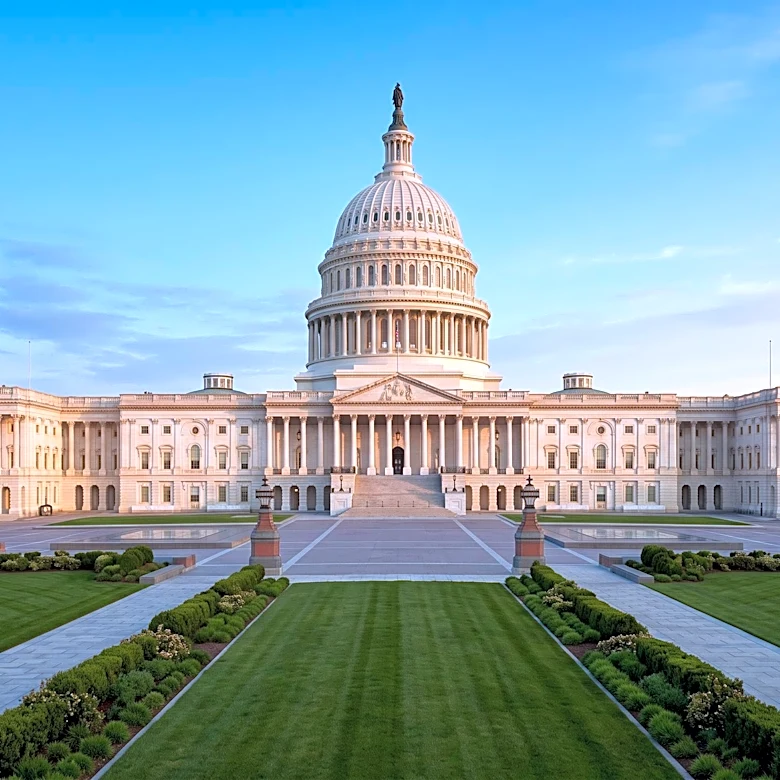
A bipartisan group of nine U.S. lawmakers met with representatives from the United States India Relationship Council (USIRC) on Capitol Hill on August 31 and September 1 to discuss strengthening strategic cooperation between the U.S. and India. The discussions
focused on expanding collaboration in areas such as trade, defense, and regional security, particularly in the Indo-Pacific. The congressional delegation included Representatives Jonathan Jackson and Raja Krishnamoorthi of Illinois; Rich McCormick of Georgia; Young Kim, Derek Tran, Scott Peters, Jimmy Panetta, and Sydney Kamlager-Dove of California; and Suhas Subramanyam of Virginia. USIRC, a political action committee, targeted lawmakers involved in foreign affairs committees. Representative Rich McCormick emphasized the potential for a closer U.S.-India relationship, advocating for its evolution from friendship to a formal alliance. Representative Sydney Kamlager-Dove, ranking Democrat on the House Foreign Affairs subcommittee overseeing South and Central Asia, highlighted the Indian American community's crucial role in advocating for stronger ties.
Why It's Important?
This initiative underscores the growing strategic importance of the U.S.-India relationship in the context of evolving global geopolitics, particularly concerning China's influence in the Indo-Pacific. A stronger alliance with India is seen as vital for maintaining regional stability, addressing security threats, and ensuring resilient supply chains. Enhanced cooperation in technology and trade could lead to significant economic benefits for both nations, fostering innovation and creating new market opportunities. The engagement with the Indian American community also highlights its increasing political influence and its role in shaping U.S. foreign policy. This partnership is crucial for the U.S. to counterbalance rising powers and secure its interests in a dynamic international environment, impacting U.S. industries, trade policies, and national security strategies.
What's Next?
The discussions signal a renewed commitment among U.S. lawmakers to deepen ties with India. Future steps will likely involve continued dialogue to address existing differences, such as trade imbalances and human rights issues, while simultaneously fortifying cooperation in defense, maritime security, and economic sectors. Advocacy groups like USIRC will continue to play a role in shaping policymakers' views and fostering engagement. The outcomes of these meetings could lead to new legislative initiatives, trade agreements, and joint defense exercises aimed at solidifying the U.S.-India strategic partnership. This ongoing collaboration is expected to have lasting implications for U.S. foreign policy in the Indo-Pacific and beyond, potentially reshaping regional dynamics and enhancing cooperative efforts in addressing shared global challenges.
Beyond the Headlines
The emphasis on a formal alliance between the U.S. and India, as suggested by Representative McCormick, signifies a potential shift in the nature of their relationship, moving beyond a strategic partnership to a more integrated security framework. This deeper alignment could have profound implications for regional power dynamics, potentially influencing other nations' foreign policy decisions in the Indo-Pacific. The discussions also highlight the complex interplay between domestic advocacy groups and international relations, demonstrating how diaspora communities can significantly impact U.S. foreign policy. Furthermore, the focus on addressing strategic challenges posed by China underscores the broader geopolitical competition that is driving much of the U.S.'s engagement in the region, making this partnership a cornerstone of its Indo-Pacific strategy.