



What's Happening?
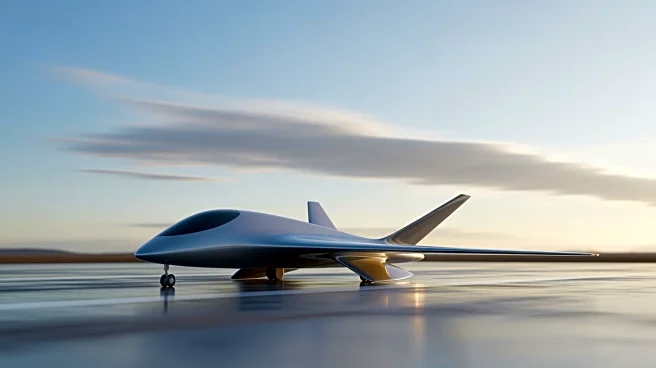
NASA's X-59 low-boom demonstrator, a pioneering supersonic research aircraft, is set to resume envelope expansion flights in Southern California. Built by Lockheed Martin, the X-59 aims to collect real-world acoustic data to enable supersonic travel over
land. The aircraft, which began flight tests in October, is designed to produce a quieter sonic boom, potentially paving the way for future commercial supersonic airliners. The project is part of NASA's Quesst program, focusing on quiet supersonic technology.
Why It's Important?
The X-59 project is crucial for the future of commercial aviation, as it addresses the longstanding issue of sonic booms that have restricted supersonic flight over land. By demonstrating the feasibility of low-boom technology, NASA aims to influence regulatory changes that could lift the ban on supersonic travel over populated areas. This development could revolutionize air travel, significantly reducing flight times and opening new markets for supersonic aircraft manufacturers. The project's success could also enhance the U.S.'s leadership in aerospace innovation.
What's Next?
NASA plans to conduct a series of test flights to validate the X-59's low-boom capabilities. These tests will involve flying over populated areas to gather data on community response to the reduced sonic boom. The data will be shared with the FAA and international aviation bodies to inform potential regulatory changes. If successful, the X-59 could lead to the development of new supersonic commercial aircraft, with broader implications for global air travel and environmental standards.