




What's Happening?
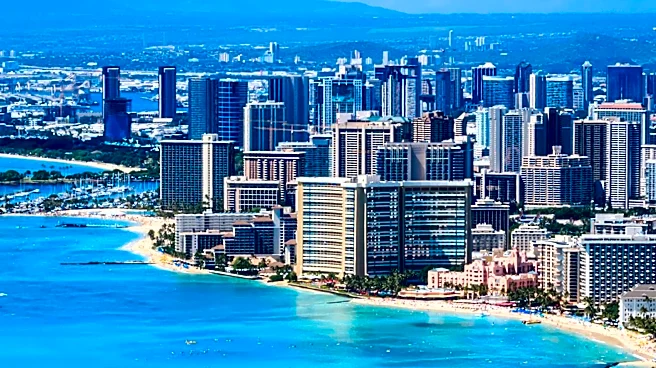
Honolulu Mayor Rick Blangiardi has voiced deep concern and disappointment regarding a massive diesel fuel leak of over 400,000 gallons at the city's H-POWER Plant in Kapolei. The leak, which occurred from an underground pipeline between January and May,
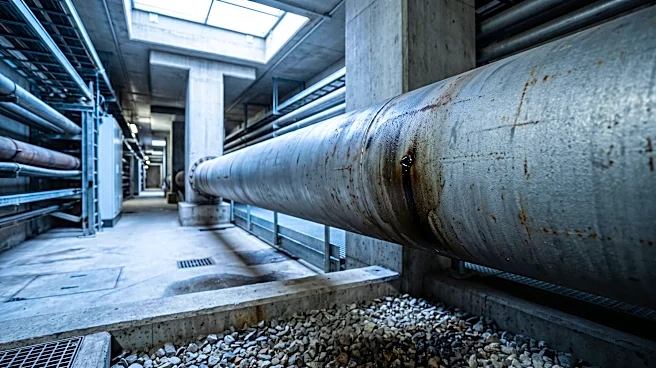
was not publicly disclosed until recently, leaving both the Mayor and Governor Josh Green uninformed for months. The plant's contractor, Reworld, discovered the leak in May and initially reported an estimated 6,500 gallons to the state Department of Health and the city's Department of Environmental Services. However, a later investigation revealed a 2.5-millimeter hole in the pipeline, leading to a significantly revised estimate of 200,000 to 400,000 gallons. While the source of the leak has been removed and approximately 5,000 gallons of fuel recovered, the exact amount released remains unverified. City officials have stated there is no immediate threat to public health or Oahu's drinking water system.
Why It's Important?
This incident highlights a significant breakdown in communication and accountability within city operations and its contracted services. The delayed disclosure of such a large-scale environmental event erodes public trust and raises questions about oversight mechanisms for critical infrastructure. For residents of Oahu, the primary concern revolves around potential environmental contamination, despite assurances that drinking water is safe. The incident could lead to increased scrutiny of environmental reporting protocols for industrial facilities and contractors operating on behalf of the city. Furthermore, it may prompt a reevaluation of emergency response and public notification procedures for environmental hazards, potentially leading to stricter regulations and more transparent reporting requirements for similar incidents in the future. The Mayor's strong reaction underscores the political ramifications of such a lapse in transparency.
What's Next?
Mayor Blangiardi has initiated a process to determine the exact circumstances of the leak and why the information was not escalated sooner, emphasizing the need for accountability and restoration of public trust. This investigation will likely focus on the contractor, Reworld, and relevant city departments to identify communication failures and procedural gaps. It is probable that new protocols for reporting environmental incidents will be implemented to prevent similar delays in the future. The state Department of Health will continue its efforts to verify the exact amount of fuel leaked and monitor the ongoing mitigation efforts by Reworld. Public pressure may also lead to calls for independent investigations or audits of environmental safety practices at city-contracted facilities.
Beyond the Headlines
The delayed disclosure of the H-POWER plant fuel leak points to broader issues concerning transparency and corporate responsibility in public-private partnerships. The initial underestimation of the leak's magnitude and the subsequent months-long silence raise ethical questions about the contractor's reporting practices and the city's oversight capabilities. This event could trigger a re-examination of contractual agreements with private operators of public utilities, focusing on clauses related to environmental incident reporting and penalties for non-compliance. Long-term, it may influence public perception of industrial operations in environmentally sensitive areas like Hawaii, potentially fueling greater community activism and demands for more stringent environmental protections and real-time public notification systems for any potential hazards.