


What's Happening?
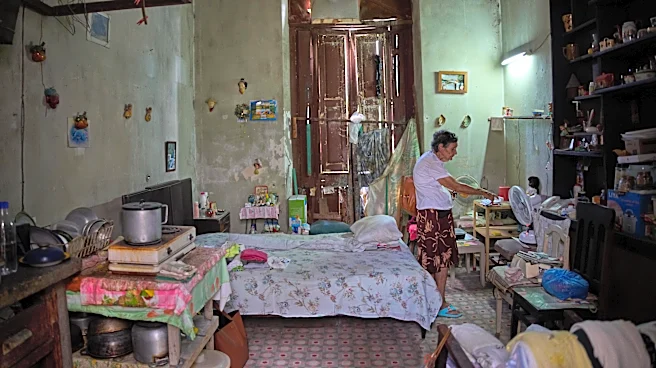
In Havana, Cuba, elderly citizens are facing severe hardships due to an escalating economic crisis exacerbated by a U.S. oil embargo. Many seniors, who rely on meager pensions, are turning to church-provided meals to supplement their limited state rations.
The crisis has intensified since the beginning of the year, with the elderly population, many of whom are former government employees, being among the hardest hit. The situation is compounded by the emigration of younger generations, leaving the elderly to fend for themselves. The Cuban government has recently allowed private entrepreneurs to operate elder care services, marking a shift from its traditional state-controlled model.
Why It's Important?
The economic crisis in Cuba, worsened by the U.S. oil embargo, highlights the vulnerability of the island's elderly population. This demographic, which has lived through significant historical events, now faces poverty and isolation. The situation underscores the broader impact of international policies on local populations, particularly the elderly who lack the means to adapt. The crisis also reflects the challenges of an aging population in a country with limited resources, raising questions about the sustainability of Cuba's social support systems and the potential need for policy reforms.