




What's Happening?
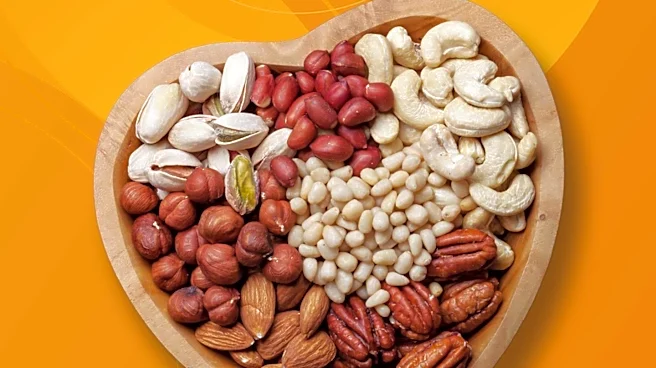
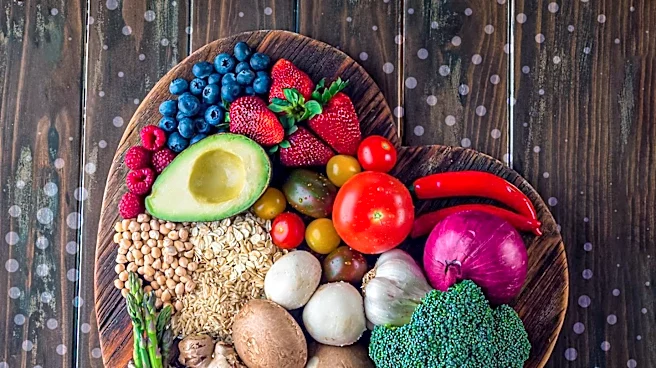
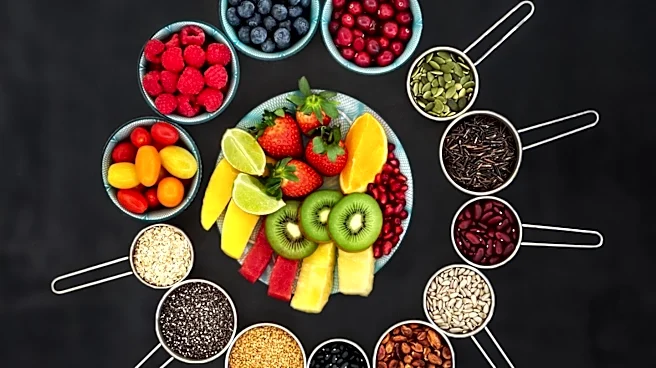
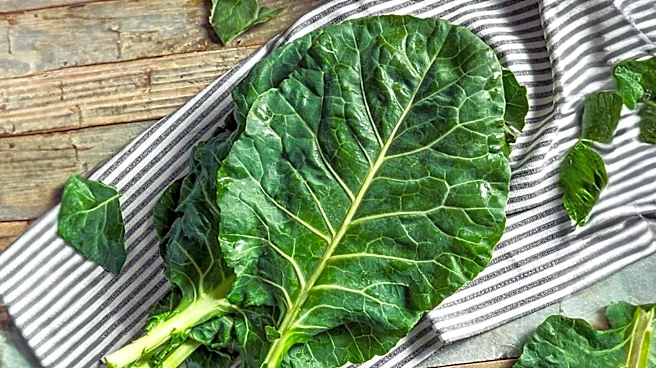
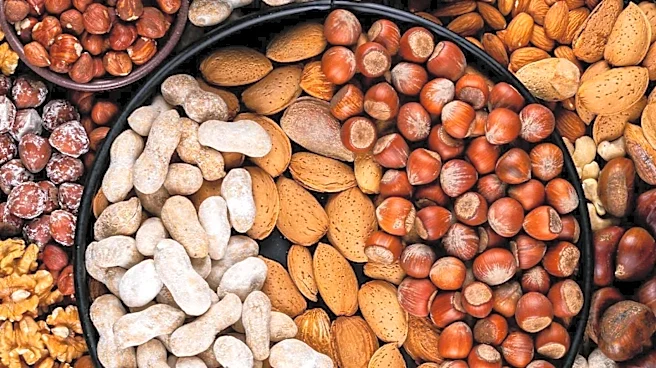
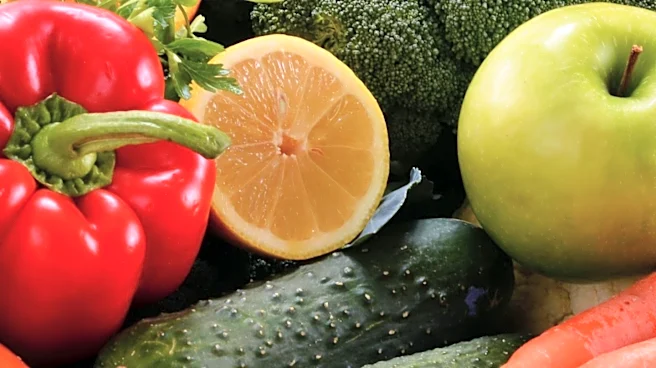
An anti-inflammatory diet, primarily modeled after the Mediterranean diet, focuses on consuming vegetables, fruits, legumes, whole grains, nuts, olive oil, and fish. It advocates for reduced intake of refined grains, sugary drinks, and processed meats.
This dietary pattern is associated with a lower risk of cardiovascular disease and has been shown to modestly decrease inflammatory blood markers, such as high-sensitivity C-reactive protein (hs-CRP). While not a single rigid protocol, it represents a family of eating patterns centered on minimally processed plant-based foods, unsaturated fats, and limited added sugars and refined starches. The DASH diet, designed to lower blood pressure, is a close cousin that shares many similarities. The scientific evidence supporting this approach is robust, with the PREDIMED trial demonstrating a significant reduction in major cardiovascular events.
Why It's Important?
The widespread adoption of an anti-inflammatory diet could have significant public health implications in the U.S., where cardiovascular diseases remain a leading cause of mortality. By promoting a shift towards whole, unprocessed foods and away from inflammatory culprits like processed meats and sugary drinks, this dietary approach offers a preventative strategy against chronic conditions. For individuals, it provides a framework for improving heart health and potentially reducing systemic inflammation, which is linked to various chronic diseases. The emphasis on accessible foods like vegetables, fruits, and whole grains makes it a practical and sustainable option for many. Healthcare providers can leverage this evidence-based approach to counsel patients on lifestyle modifications that complement medical treatments, potentially reducing the burden on the healthcare system in the long term.
What's Next?
Continued research will likely focus on refining the understanding of specific food components and their impact on inflammatory pathways, as well as exploring the diet's efficacy in managing other chronic conditions. Public health campaigns and dietary guidelines may further integrate the principles of anti-inflammatory eating to encourage broader adoption. Individuals are encouraged to consult with healthcare professionals or registered dietitians before making significant dietary changes, especially if they have pre-existing medical conditions or are on medication. The ongoing challenge will be to translate scientific findings into practical, sustainable dietary habits for the general population, moving beyond short-term 'detox' trends to long-term lifestyle changes.
Beyond the Headlines
Beyond its direct health benefits, the anti-inflammatory diet encourages a broader re-evaluation of food systems and consumption patterns. It highlights the importance of whole, minimally processed foods, which often have a smaller environmental footprint compared to highly processed alternatives. The emphasis on plant-based foods and sustainable fish sources aligns with growing concerns about ecological sustainability and ethical food production. Culturally, it promotes a return to traditional eating patterns, such as the Mediterranean diet, which are often associated with community, shared meals, and a slower pace of life. This holistic approach to food can foster a deeper connection to what we eat and how it impacts not only our individual health but also the health of the planet.