





What's Happening?
A Massachusetts town, Stow, is moving to fire Officer Jason Rogers and pursue criminal charges against him for allegedly misusing Flock surveillance cameras. Rogers is accused of improperly accessing information about an acquaintance on at least five
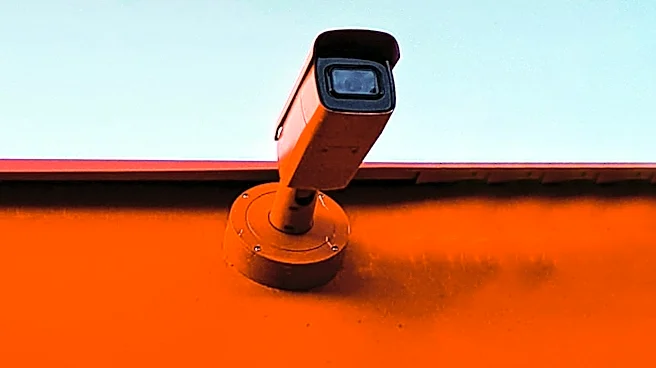
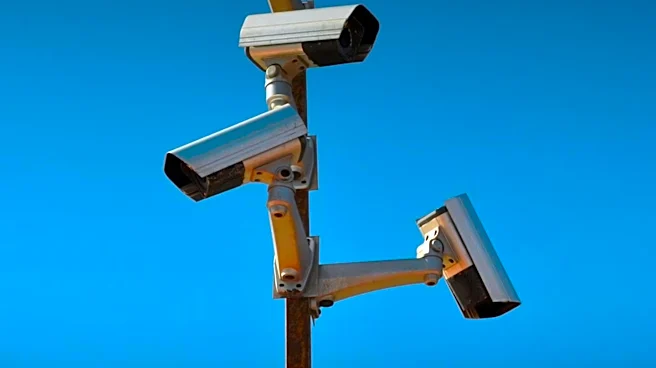
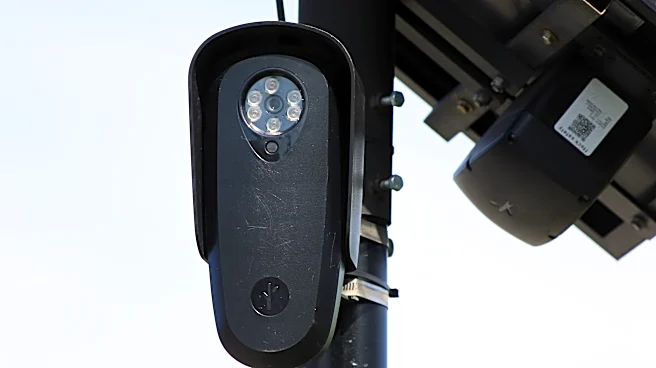
occasions and running vehicle information through Flock Safety and Criminal Justice Information Services without legitimate law enforcement reasons. The Stow Police Department initiated an internal affairs investigation after receiving a complaint on June 18, which led to Rogers being placed on paid administrative leave and his access to department systems revoked within three hours. The investigation sustained findings of conduct unbecoming of an officer, improper use of an official position, failure to comply with written orders, use of false and unsubstantiated search reasons, and violations of department policies regarding law enforcement databases. Separately, an officer in the Jefferson Parish Sheriff's Office in Louisiana was fired for similar 'personal use' of the Flock system, having searched a single license plate belonging to his former fiancée thousands of times over several years. Flock Safety, the company providing the automated license plate reader (ALPR) technology, recently announced changes to its policies, including requiring a criminal case number for database searches and reducing data retention to seven days from 30, in response to growing backlash over privacy concerns.
Why It's Important?
The incidents in Massachusetts and Louisiana highlight significant concerns regarding the potential for misuse of surveillance technology by law enforcement, particularly automated license plate readers (ALPRs). These systems, while touted for their public safety benefits, collect vast amounts of data on ordinary citizens, raising privacy and civil liberties issues. The alleged actions of Officer Rogers and the Louisiana officer demonstrate how easily such powerful tools can be exploited for personal reasons, undermining public trust in law enforcement and surveillance programs. The Stow Police Department's swift action to investigate and pursue charges, along with Flock Safety's policy changes, indicate a recognition of these risks and an attempt to address them. However, the incidents underscore the need for robust oversight, clear policies, and strict accountability mechanisms to prevent abuse. The debate over ALPRs often balances public safety against individual privacy rights, and these cases tilt the scales towards emphasizing the critical importance of safeguarding against unauthorized access and use of sensitive data collected through these technologies. The broader implications extend to how other surveillance technologies are implemented and governed across the U.S., as similar misuse could occur with facial recognition or other data-intensive systems.
What's Next?
Officer Jason Rogers' employment status hearing is scheduled for August 26, where the town of Stow will proceed with his termination. The criminal complaint against Rogers has been forwarded to the Middlesex County District Attorney's Office, indicating potential legal proceedings. The Stow Police Department has also removed multiple license plate readers from the area for review and Chief Michael Sallese will present an updated ALPR policy to the Select Board. This new policy will outline explicit and specific use criteria, supervisory approval requirements, and aggressive logging and reporting mandates for any future re-implementation of similar systems. In Louisiana, the fired officer from the Jefferson Parish Sheriff's Office may also face criminal charges, with investigators focusing on this possibility. These events are likely to fuel ongoing national discussions about the regulation and oversight of surveillance technologies. Other jurisdictions, such as Lucas County, Ohio, are already facing calls for audits and pauses in Flock camera usage due to similar concerns, suggesting that more towns and counties may re-evaluate their contracts and policies regarding ALPRs and other surveillance tools in the near future. Flock Safety's recent policy changes, including reduced data retention and the requirement for criminal case numbers, will be closely watched to see if they effectively mitigate misuse.
Beyond the Headlines
The misuse of Flock cameras by law enforcement officers, as seen in Massachusetts and Louisiana, exposes a deeper ethical and legal challenge concerning the balance between public safety and individual privacy in the digital age. The ability of officers to access extensive personal data without a warrant, and in some cases for personal vendettas, highlights a systemic vulnerability in how these powerful surveillance tools are deployed and managed. This raises questions about the 'trust' placed in law enforcement to self-regulate and adhere to ethical guidelines when equipped with technologies that offer unprecedented access to private information. The incidents could lead to increased public demand for legislative action at state and federal levels to establish clearer legal frameworks and independent oversight bodies for ALPR systems. Furthermore, the cases may prompt a re-evaluation of the procurement processes for such technologies, emphasizing not just their crime-fighting capabilities but also the necessary safeguards against abuse. The long-term shift could involve a more cautious approach to adopting new surveillance technologies, prioritizing robust privacy protections and accountability mechanisms from the outset, rather than reacting to incidents of misuse. This could also influence public perception of law enforcement, potentially eroding trust if not adequately addressed through transparent policies and consistent enforcement against misconduct.