






What's Happening?
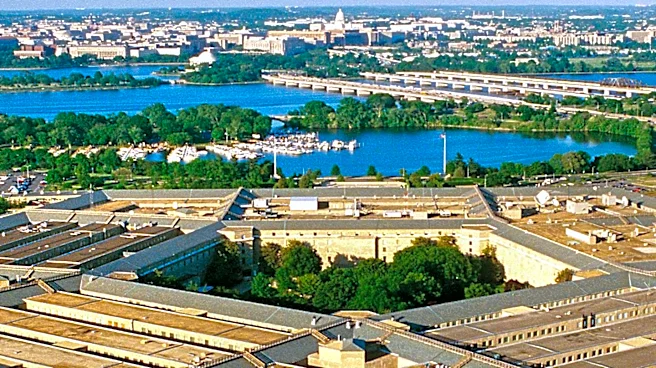
The Pentagon Memorial Fund is preparing to break ground on a long-awaited Visitor Education Center at the Pentagon, one of the three 9/11 attack sites. This center aims to address the growing generational gap in the memory of the September 11, 2001, attacks,
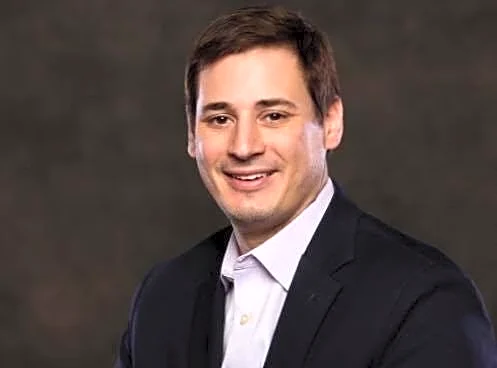
as over 100 million Americans have no personal recollection of the event. Joseph Kornhoff, executive director of the Pentagon Memorial Fund, emphasized the center's goal to provide a personal connection for visitors to understand the gravity of that day and counter conspiracy theories. The National September 11 Memorial & Museum in New York faces a similar challenge, with its president and CEO, Beth Hillman, highlighting the increasing importance of education as firsthand memories fade. The center, expected to open by the end of 2029, will feature interactive exhibits, historical artifacts, and firsthand accounts.
Why It's Important?
This initiative is critically important for preserving the historical accuracy and emotional impact of 9/11 for future generations. As the event transitions from living memory to historical fact for a significant portion of the U.S. population, educational centers play a vital role in combating misinformation and conspiracy theories that proliferate online. By providing factual education and personal narratives, the Pentagon Visitor Education Center, alongside the New York museum, will help ensure that the lessons and sacrifices of 9/11 are not forgotten. This effort is essential for national unity, historical understanding, and informing public discourse on terrorism and national security. It underscores the ongoing need for educational institutions to adapt to changing demographics and information landscapes.
What's Next?
Construction on the Pentagon 9/11 Memorial Visitor Education Center is expected to begin soon, with an anticipated opening by the end of 2029. The center will receive $12 million in federal funding and $1 million from Virginia, supplemented by private donations. In parallel, bipartisan legislation introduced by Representatives Elise Stefanik (R-N.Y.) and Josh Gottheimer (D-N.J.) aims to direct the Department of Education to assess how 9/11 is taught in schools nationwide and identify instructional gaps. This legislative effort, praised by Kornhoff, indicates a broader push to standardize and improve 9/11 education across the country. The development of the center and potential changes in educational curricula will shape how future generations understand this pivotal event in U.S. history.
Beyond the Headlines
The establishment of the Pentagon Visitor Education Center and the legislative push for improved 9/11 education highlight a deeper societal concern about collective memory and historical truth in the digital age. As firsthand witnesses age, the responsibility of conveying complex historical events accurately falls increasingly on educational institutions and memorials. This effort is not just about remembering a past event, but about shaping national identity and resilience. It also implicitly addresses the challenge of combating disinformation, which can distort historical narratives and undermine public trust. The success of these initiatives will depend on their ability to engage a generation that experiences history primarily through digital media, making the integration of interactive and compelling educational content paramount.