




What's Happening?
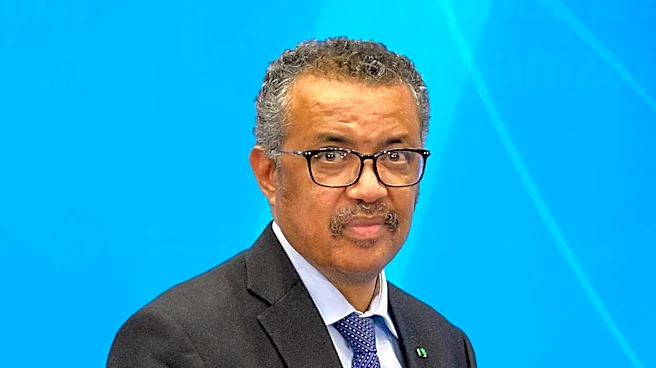
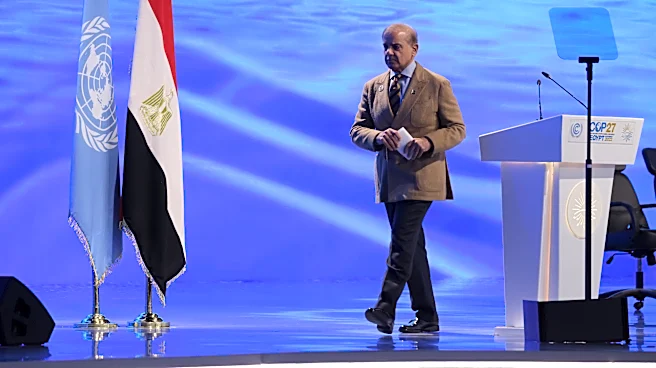
The Director General of the International Union for Conservation of Nature (IUCN) delivered a statement at the 2026 UN Climate Conference (UNFCCC COP31), emphasizing the urgent need for accelerated action to address climate change. The statement highlighted
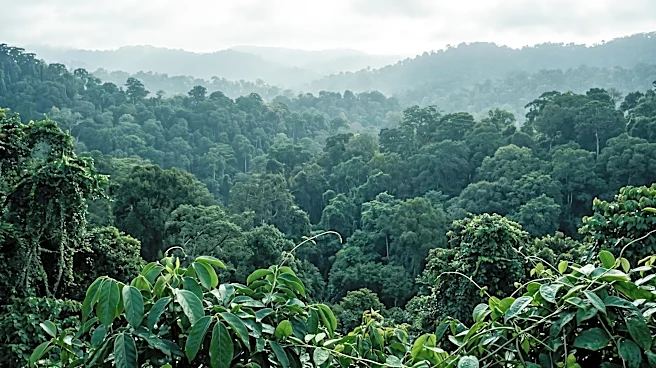
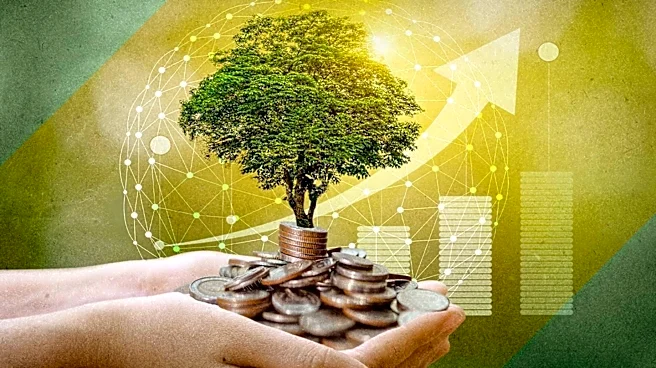
that nature, which sustains livelihoods and provides essential services like coastal protection and clean water, is under severe threat. The IUCN called for a rapid, just, and equitable transition away from fossil fuels to limit the scale and duration of climate overshoot. Key demands included accelerating the protection and restoration of natural allies such as forests, mangroves, wetlands, and the ocean. The Director General also stressed the necessity of closing the climate finance gap, advocating for tripling adaptation finance and rapidly achieving the goal of $1.3 trillion per year by 2035. Furthermore, the statement underscored the importance of recognizing the rights, knowledge, and challenges of Indigenous Peoples, local communities, women, and youth in climate solutions.
Why It's Important?
This statement from the IUCN Director General at COP31 is crucial as it reinforces the scientific consensus on the severity of the climate crisis and the inadequacy of current global commitments. For the U.S., these calls for accelerated climate action and increased finance have significant implications for domestic policy, international diplomacy, and economic strategy. The emphasis on nature-based solutions, such as protecting and restoring ecosystems, aligns with growing U.S. interest in leveraging natural infrastructure for climate resilience and biodiversity conservation. The demand for substantial climate finance could influence U.S. contributions to international climate funds and its role in supporting developing nations' adaptation efforts. Recognizing the rights and knowledge of Indigenous Peoples and local communities also resonates with U.S. efforts to promote environmental justice and inclusive climate governance. Failure to meet these targets could lead to increased climate-related disasters, impacting U.S. infrastructure, agriculture, and public health.
What's Next?
The IUCN reaffirms its commitment to collaboration and on-the-ground impact, guided by science and traditional knowledge. The organization will continue to advocate for nature-based solutions and a nature-positive energy transition. The outcomes of COP31, including any commitments made by state and non-state actors, will be critical in determining the next steps for global climate action. The call to close the climate finance gap by tripling adaptation finance and reaching $1.3 trillion per year by 2035 will likely be a central point of discussion in future international climate negotiations. The ongoing efforts to integrate the rights and knowledge of Indigenous Peoples and local communities into climate strategies will also continue to shape policy development and implementation. The IUCN stands ready to assist in these endeavors, emphasizing greater solidarity, accountability, and implementation to ensure a sustainable future.
Beyond the Headlines
The IUCN's statement at COP31 highlights a deeper shift in the global climate discourse, moving beyond mere emissions reductions to a more holistic understanding of ecological integrity and social equity. The recognition of nature as a 'natural ally' in the fight against climate change underscores the interconnectedness of biodiversity loss and climate change, suggesting that solutions must address both crises simultaneously. The emphasis on Indigenous knowledge and community rights points to a growing understanding that effective climate action requires inclusive governance and respect for diverse perspectives. This approach challenges traditional top-down environmental policies and advocates for a more participatory model. The call for significant financial commitments also brings to light the ethical dimensions of climate justice, where developed nations are urged to support those most vulnerable to climate impacts, reflecting a moral obligation to address historical inequalities and shared responsibility for a sustainable planet.