






What's Happening?
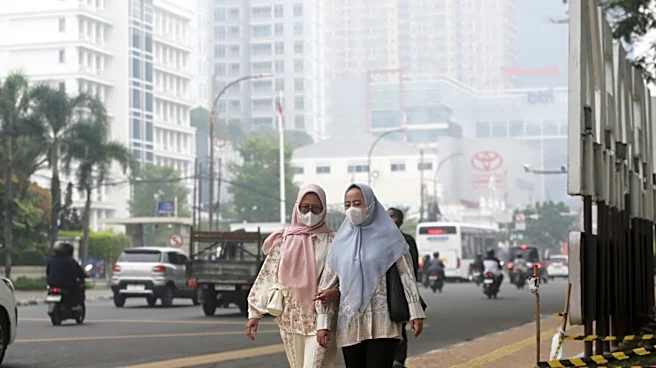
Indonesia and Norway recently co-hosted informal consultations in Jakarta from October 13-15, involving 11 countries, to discuss the stalled negotiations for the first-ever global treaty aimed at combating plastic pollution. This initiative comes as the United
Nations Intergovernmental Negotiating Committee (INC) continues its efforts to establish a comprehensive framework to address plastic waste. Indonesia emphasized the importance of considering each country's unique circumstances and capacities when determining strategies for plastic pollution reduction. The broader push for a global plastics treaty is supported by over seventy governments, highlighting a widespread international recognition of the urgent need to tackle marine plastic pollution. These discussions are crucial for advancing the treaty, which is expected to impose restrictions on harmful substances like phthalates, BPA, and PFAS, thereby influencing the market for green and bio-based plastic additives.
Why It's Important?
The ongoing negotiations for a global plastics treaty are highly significant for the U.S. and the global economy, particularly for industries involved in plastics manufacturing, packaging, and chemical production. The potential restrictions on substances like phthalates, BPA, and PFAS, as anticipated by the treaty, will necessitate a significant shift in material science and production processes. This regulatory pressure is already driving market growth in green and bio-based plastic additives, creating new opportunities for companies specializing in sustainable alternatives. U.S. manufacturers will need to adapt to these evolving global standards to remain competitive in international markets and avoid potential trade barriers. Furthermore, the treaty's focus on reducing marine plastic pollution aligns with growing consumer and environmental advocacy in the U.S., which could influence domestic policy and corporate sustainability initiatives. Companies that proactively invest in eco-friendly materials and processes stand to gain a competitive advantage, while those that lag may face increased compliance costs and reputational risks.
What's Next?
The informal talks in Jakarta are a precursor to further formal negotiations within the United Nations Intergovernmental Negotiating Committee (INC) process. The insights and concerns raised by participating countries, particularly Indonesia's call for country-specific considerations, will likely shape the agenda and direction of future discussions. Stakeholders, including governments, industry leaders, and environmental organizations, will continue to engage in dialogues to find common ground and accelerate the treaty's finalization. The market for green and bio-based plastic additives is expected to see continued growth as companies anticipate and prepare for stricter regulations. Manufacturers will likely increase investments in research and development for sustainable alternatives to traditional plastics and additives. The coming months will likely involve more detailed proposals and negotiations on specific targets, timelines, and enforcement mechanisms for the treaty, with a strong focus on balancing environmental protection with economic feasibility for all nations.
Beyond the Headlines
The global plastics treaty negotiations represent a profound shift in how the world addresses environmental pollution, moving towards a more circular economy model. Beyond the immediate economic impacts on the plastics industry, this treaty has deeper implications for global environmental governance and corporate responsibility. It highlights a growing international consensus that plastic pollution is a transboundary issue requiring collective action, challenging the traditional 'take-make-dispose' linear economic model. The emphasis on country-specific circumstances also underscores the complexities of implementing global environmental policies, particularly concerning developing nations' industrial capacities and economic needs. This treaty could set a precedent for future international agreements on other environmental challenges, fostering a more integrated approach to sustainability. It also raises ethical questions about producer responsibility for the entire lifecycle of their products and the equitable distribution of the costs and benefits of environmental protection across different economies.