

What's Happening?
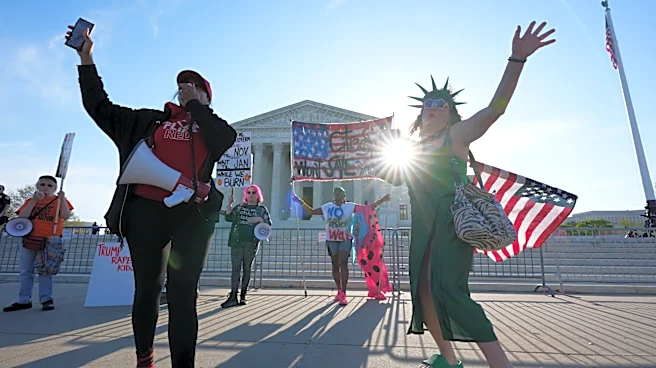
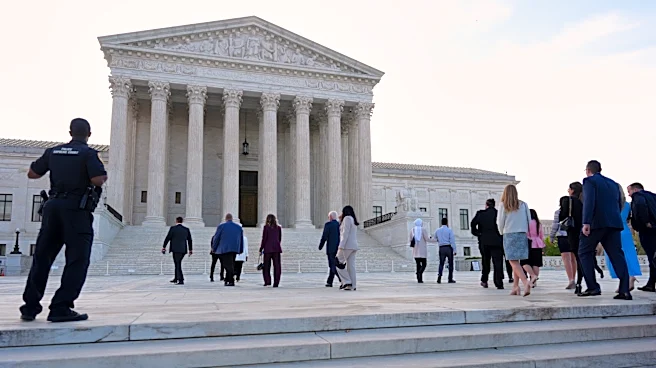
The U.S. Supreme Court is reviewing an executive order by President Trump that challenges the constitutional guarantee of birthright citizenship. The order, signed on Trump's first day back in office, seeks to deny citizenship to children born in the U.S. to undocumented
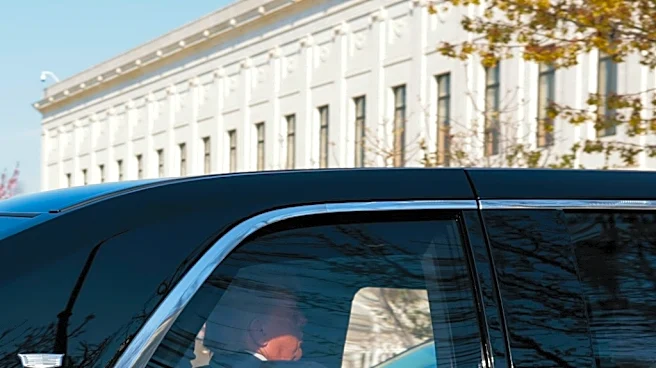
immigrants or visitors. During the court session, Solicitor General D. John Sauer defended the order, arguing that automatic citizenship acts as a pull factor for illegal immigration. The American Civil Liberties Union opposed the order, citing the 14th Amendment's protection of birthright citizenship. The case, Trump v. Barbara, marks the first time a sitting president has attended such a session.
Why It's Important?
The case could redefine the interpretation of the 14th Amendment, which has historically guaranteed citizenship to anyone born on U.S. soil. A ruling in favor of the executive order could impact thousands of children born to undocumented immigrants, altering their legal status and rights. The decision could also influence immigration policy and debates over citizenship, potentially affecting U.S. demographics and social dynamics. The case underscores the ongoing national discourse on immigration and the balance between executive power and constitutional rights.
What's Next?
The Supreme Court's decision will be pivotal in determining the future of birthright citizenship in the U.S. If the order is upheld, it could lead to significant changes in immigration policy and enforcement. The ruling may also prompt legislative responses or further legal challenges. Stakeholders, including immigrant advocacy groups and legal experts, will be closely monitoring the outcome, as it could have far-reaching implications for immigration law and policy.