








What's Happening?
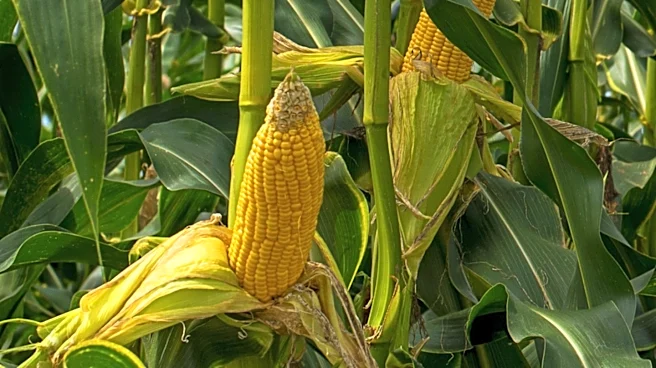
Corn crops in Wisconsin are currently affected by several leaf diseases, including southern rust, tar spot, gray leaf spot, and northern corn leaf blight, as confirmed by the Crop Protection Network. These diseases pose a significant threat to the quality
of silage and can weaken corn stalks, increasing the likelihood of lodging (falling over) before harvest. The presence of these diseases can also impact whole-plant moisture levels, complicating the process of harvesting silage at optimal moisture content. If silage is harvested too dry or too wet, it can lead to poor packing, slow fermentation, and an increased risk of mold and mycotoxin issues. While disease pressure has been relatively light in some areas, growers are advised to scout fields regularly for these issues. There are no effective in-season treatments for tar spot once symptoms have appeared, emphasizing the importance of early detection and proactive management strategies. Accurate diagnosis of these diseases is crucial for guiding future management decisions, including variety selection and field planning.
Why It's Important?
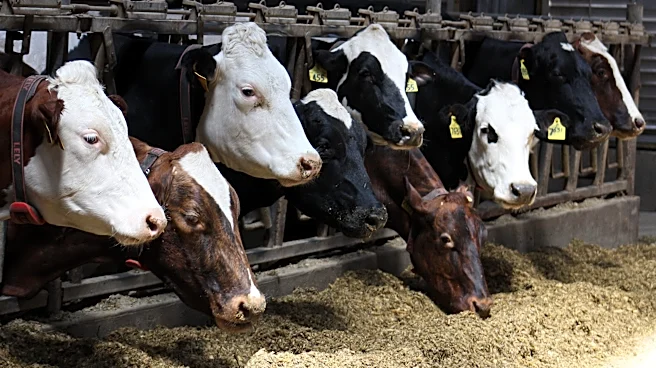
The widespread presence of corn leaf diseases in Wisconsin has significant implications for the agricultural sector and the broader U.S. economy. Reduced silage quality directly impacts livestock feed, potentially leading to higher costs for dairy and beef producers who may need to supplement with more expensive alternatives or face decreased animal health and productivity. The weakening of corn stalks and increased lodging risk can result in substantial yield losses, affecting farmers' profitability and potentially influencing commodity prices. Furthermore, issues with whole-plant moisture levels during harvest can lead to improperly stored silage, increasing the risk of mold and mycotoxin contamination. Mycotoxins are harmful substances produced by fungi that can pose health risks to both livestock and humans if they enter the food chain. This situation underscores the vulnerability of agricultural yields to environmental factors and the critical need for effective disease management to ensure food security and economic stability for farmers.
What's Next?
Farmers in Wisconsin are advised to continue scouting their corn fields for signs of leaf diseases and to assess stalk strength issues. For fields heavily infected with diseases like southern rust, prioritizing an earlier harvest is recommended to mitigate losses from lodging and stalk breakdown. Close monitoring of whole-plant moisture is also crucial to ensure timely chopping for silage. Given that there are no effective in-season treatments for tar spot once symptoms are visible, the focus will shift towards accurate diagnosis to inform future management decisions, such as selecting disease-resistant corn varieties and optimizing field planning for subsequent growing seasons. The University of Wisconsin Plant Disease Diagnostic Clinic (PDDC) is available for growers who are uncertain about disease identification, emphasizing the role of expert analysis in guiding effective responses. Continued vigilance and strategic harvest planning will be key to minimizing the impact of these diseases on the current corn crop.
Beyond the Headlines
The recurring challenges posed by corn leaf diseases like tar spot highlight a broader issue within modern agriculture: the delicate balance between maximizing yields and maintaining crop resilience against evolving environmental threats. The emphasis on accurate diagnosis and proactive management, rather than reactive treatments, points to a shift towards more sustainable and integrated pest management practices. This situation also underscores the importance of agricultural research and extension services, such as the Crop Protection Network and university diagnostic clinics, in providing farmers with the knowledge and tools necessary to adapt to new disease pressures. The long-term implications could include increased investment in genetic research to develop more robust corn varieties, a greater adoption of precision agriculture techniques for early detection, and potentially changes in crop rotation practices to break disease cycles. Ultimately, the ongoing battle against crop diseases reflects the continuous need for innovation and collaboration within the agricultural community to safeguard food production.