






What's Happening?
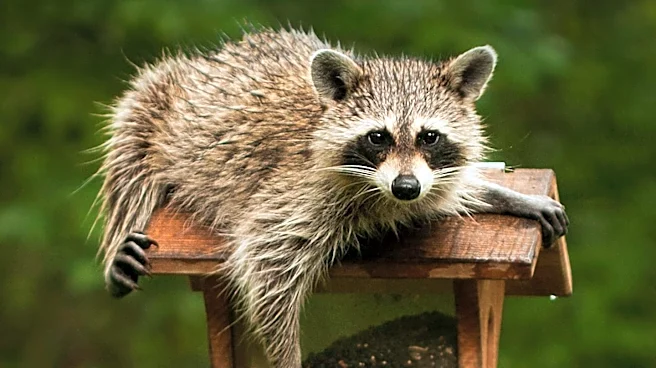
A power outage in Norfolk, Virginia, affected approximately 4,000 customers early Monday morning after a raccoon made contact with electrical equipment at a Dominion Energy substation. The incident, which occurred around 6 a.m., impacted the Waterside,
Brambleton, and Southside areas of downtown Norfolk. Dominion Energy crews responded to the scene and successfully restored power to all affected customers by about 8:30 a.m. The raccoon unfortunately died as a result of the incident. According to Dominion Energy, an automatic safety feature at the substation activated to shut off power, protecting the public and preventing further damage to the equipment. The utility company noted that while protective measures are in place to deter wildlife, such incidents can still occur, particularly during spring and fall when animal activity increases due to foraging and nesting.
Why It's Important?
This incident highlights the vulnerability of electrical infrastructure to wildlife interference, a common issue that can lead to significant disruptions for residents and businesses. Power outages, even short-lived ones, can impact daily routines, traffic signals, and the operation of essential services. For businesses, an unexpected loss of power can result in financial losses due to halted operations, data loss, or damage to sensitive equipment. The utility's reliance on automatic safety features underscores the importance of these systems in mitigating broader damage and ensuring public safety, even as they cause temporary service interruptions. The recurring nature of such incidents, as evidenced by similar events in Chesapeake, Newport News, and Virginia Beach, indicates an ongoing challenge for utility providers in protecting their infrastructure from wildlife.
What's Next?
Dominion Energy will likely continue its efforts to enhance protective measures at substations to minimize wildlife-related outages. This could involve reviewing and upgrading existing equipment and implementing new deterrent technologies. Customers in areas prone to such incidents may need to remain prepared for potential, albeit usually brief, power interruptions. The broader community conversation might focus on balancing wildlife preservation with infrastructure protection, potentially leading to discussions about innovative solutions for coexisting with urban wildlife while maintaining reliable utility services. Utility companies across the region may also share best practices and data on wildlife-induced outages to develop more effective prevention strategies.
Beyond the Headlines
Beyond the immediate inconvenience, these types of incidents underscore the delicate balance between urban development and natural ecosystems. As human populations expand and infrastructure encroaches on wildlife habitats, interactions like this become more frequent. The death of the raccoon, while a direct consequence of the event, also serves as a reminder of the environmental impact of our energy systems. It prompts a broader consideration of how cities can design and maintain infrastructure in a way that minimizes harm to local wildlife while ensuring essential services. This incident also subtly points to the resilience and rapid response capabilities of utility companies, which are crucial for maintaining societal function in the face of unpredictable events.