

What's Happening?
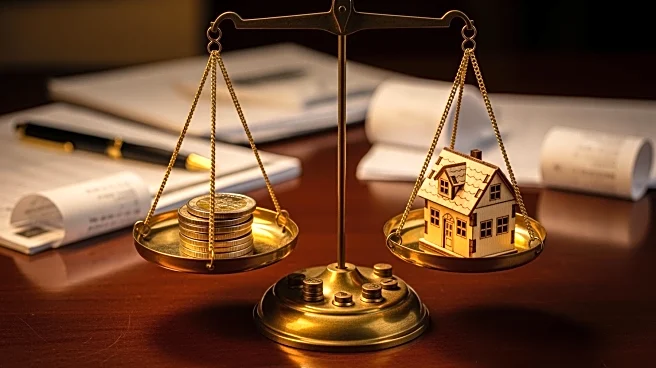
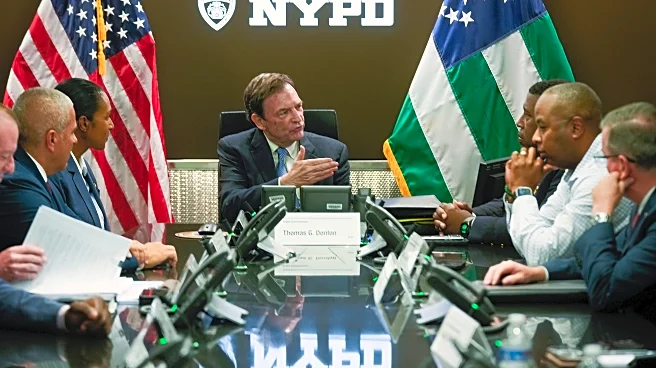
New York City Mayor Zohran Mamdani has proposed a 9.5 percent property tax increase as a potential solution to the city's $5.4 billion budget gap. This proposal is presented as a last resort if state lawmakers do not agree to increase income taxes on the wealthiest
residents. The budget gap, attributed to underbudgeting by former Mayor Eric Adams, presents two paths: raising taxes on the wealthy or increasing property taxes. The proposed tax hike would affect over 3 million residential units and 100,000 commercial buildings, potentially raising $14.8 billion over four years. Governor Kathy Hochul has expressed opposition to both a wealth tax and property tax increases, suggesting that the mayor's proposal is not the final resolution.
Why It's Important?
The proposed property tax increase could have significant implications for New York City's economy and its residents. If implemented, it would place a financial burden on property owners, potentially affecting housing affordability and the commercial real estate market. The decision also highlights the ongoing debate over how to address budget deficits, balancing the need for revenue with the economic impact on residents. The outcome of this proposal could set a precedent for how other cities manage similar fiscal challenges, influencing public policy and economic strategies nationwide.
What's Next?
Negotiations between the mayor's office and the City Council will determine the final budget plan, with the new fiscal year beginning on July 1. The Council has expressed concerns about the proposed tax increase and the use of reserves, suggesting that other savings and revenue options should be explored. The outcome of these discussions will shape the city's fiscal strategy and could influence future policy decisions regarding taxation and budget management. Stakeholders, including property owners and business leaders, will likely continue to advocate for solutions that minimize economic disruption.