








What's Happening?
Investigative Journalist and 2020 ASU Future Security Fellow at New America, Trevor Aaronson, has released a new book titled 'Bad Guys: How the FBI Created the Enemy Within.' The book delves into how the FBI developed what Aaronson describes as the most
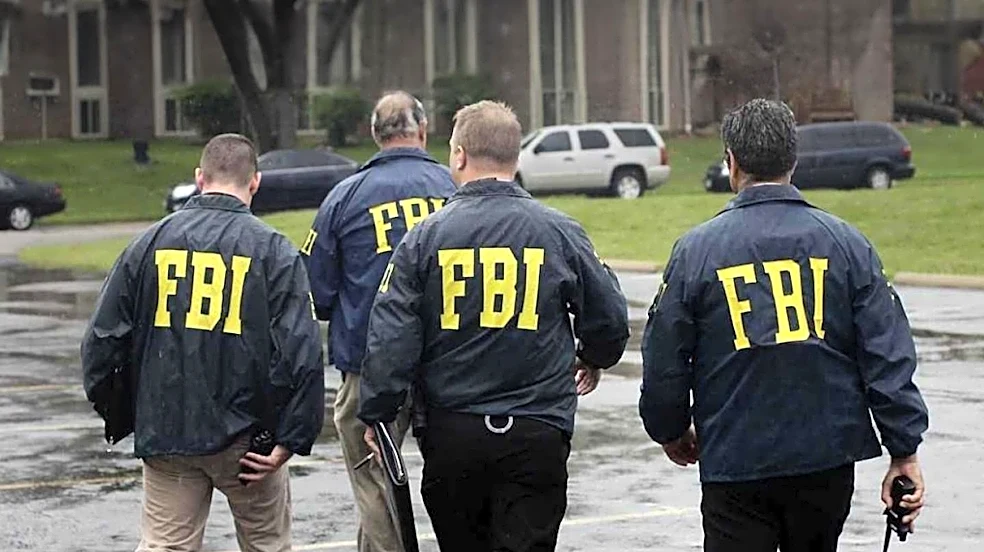
powerful and least accountable domestic intelligence operation in American history, primarily focused on identifying and neutralizing perceived enemies of the state. Aaronson's work examines the post-9/11 era, highlighting how increased surveillance and entrapment tactics fostered distrust, which in turn fueled conspiracy theories. This environment, according to Aaronson, left the Bureau vulnerable to authoritarian influences. The narrative follows various individuals, including a convert whose journey for belonging leads to a battlefield in Syria, an informant paid to incriminate a friend, and FBI agents who witnessed the agency's mission change. The book also touches upon figures like Kash Patel, who Aaronson suggests captured the Bureau by promoting conspiracy theories. Aaronson himself becomes part of the narrative, becoming an 'enemy' in the story he is investigating.
Why It's Important?
Aaronson's book is significant for its critical examination of the FBI's domestic intelligence operations and its potential impact on American society and civil liberties. By exploring how federal agents might inadvertently create the very threats they aim to combat, the book raises crucial questions about the balance between national security and individual freedoms. The narrative's focus on the post-9/11 era underscores the long-term consequences of policies enacted during a period of heightened fear and uncertainty. The erosion of trust in federal institutions, as detailed by Aaronson, can have profound implications for democratic governance and public cooperation with law enforcement. The book's insights into the mechanisms of extremism and the role of government agencies in shaping these dynamics are vital for understanding contemporary challenges to national security and social cohesion. It prompts a re-evaluation of surveillance practices and the accountability of powerful intelligence operations.
What's Next?
New America's Future Security Program is hosting Trevor Aaronson for a discussion about his new book, 'Bad Guys: How the FBI Created the Enemy Within.' This event will provide a platform for further public discourse on the themes presented in the book, including the FBI's historical practices, the evolution of domestic intelligence, and the implications for American civil liberties. The discussion is expected to engage a wider audience, potentially sparking debates among policymakers, civil society groups, and the general public about the future direction of national security strategies. The book's release and subsequent discussions could influence ongoing conversations about government oversight, intelligence reform, and the protection of constitutional rights in the context of counter-terrorism efforts. It may also encourage further investigative journalism into the operations of federal agencies and their impact on American citizens.
Beyond the Headlines
Aaronson's work delves into the ethical and legal complexities of domestic intelligence, particularly the fine line between preventing terrorism and potentially manufacturing threats. The book's exploration of how distrust can be cultivated and exploited highlights a deeper societal vulnerability to misinformation and conspiracy theories. This has broader implications for the health of democratic institutions, as public faith in government agencies is essential for their effective functioning. The narrative also touches upon the psychological toll on individuals, such as informants and agents, who are caught within these complex operations. The long-term shifts triggered by the post-9/11 surveillance state, as analyzed by Aaronson, suggest a redefinition of privacy and security in the digital age. The book implicitly challenges the notion of unquestioning authority and encourages a more nuanced understanding of national security, emphasizing the importance of accountability and transparency in government operations.