




What's Happening?
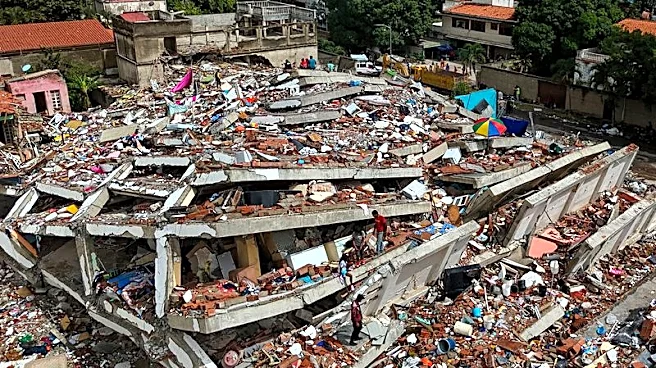
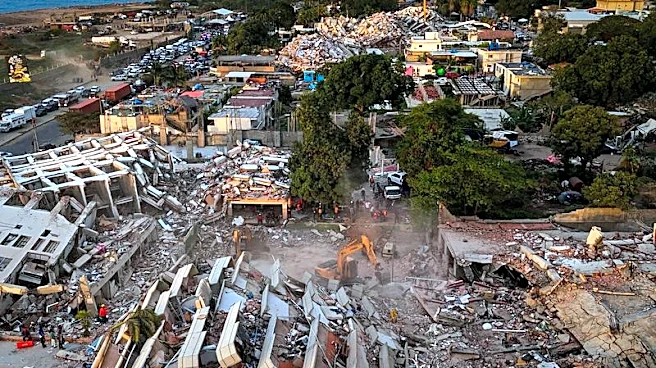
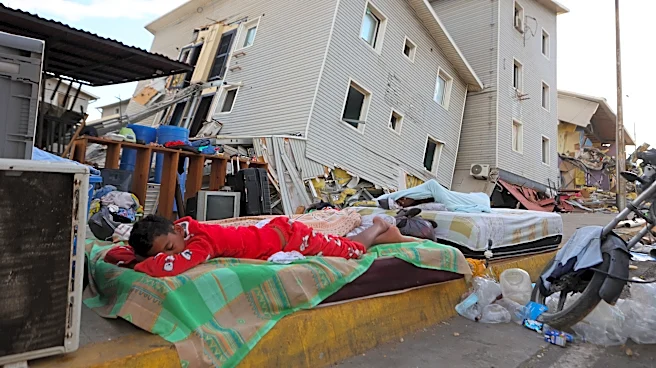
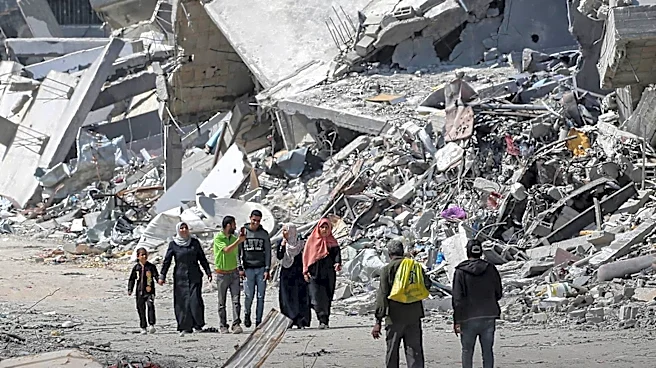
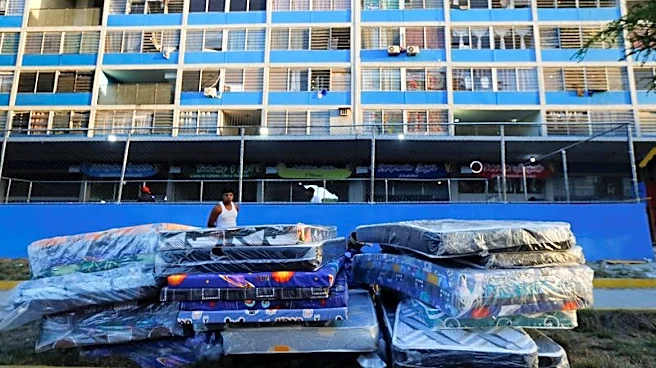
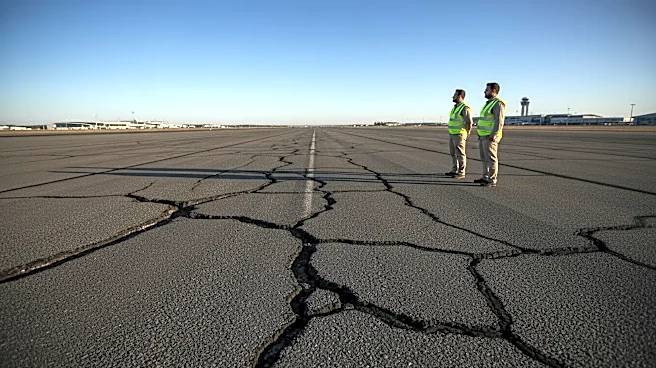
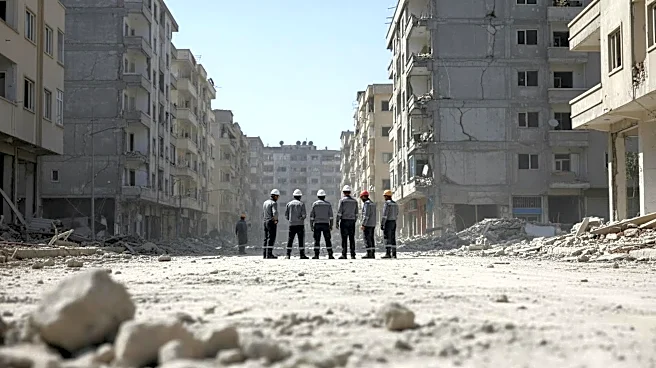
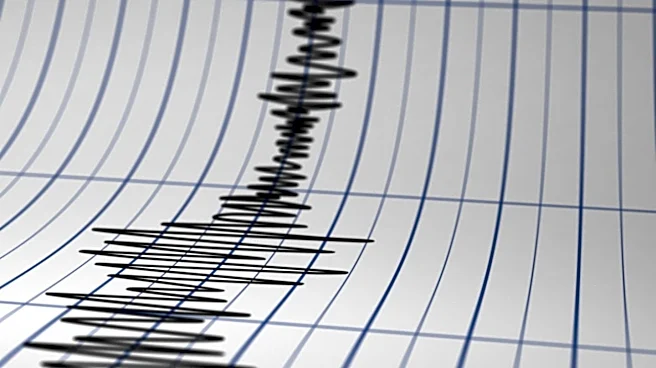
Venezuela is grappling with the aftermath of two powerful earthquakes that struck on June 24, 2026, resulting in over 1,700 confirmed deaths and leaving tens of thousands missing. The earthquakes, measuring 7.2 and 7.5 magnitudes, have exposed significant
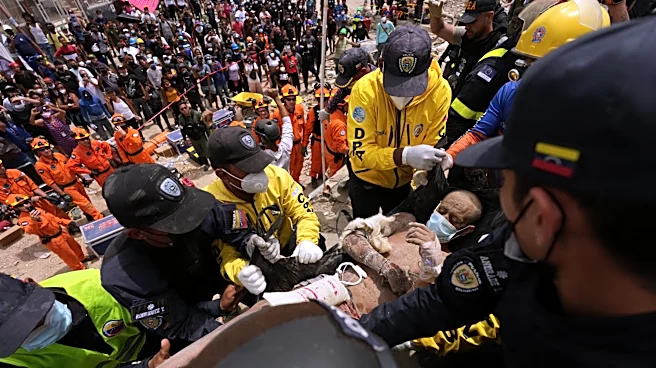
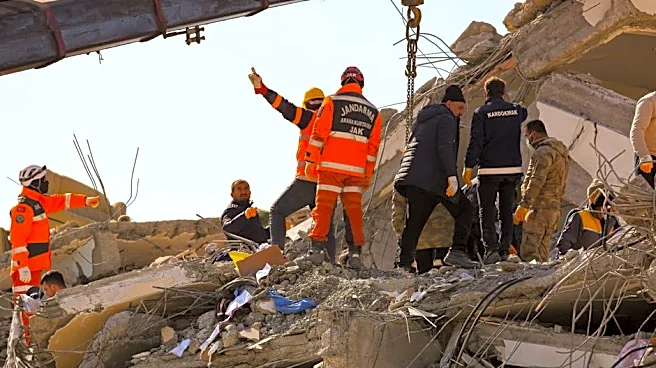
challenges in the country's rescue and recovery efforts. Criticism has been directed at the Venezuelan government for delays in deploying necessary equipment and search-and-rescue teams, forcing residents to use basic tools to search for survivors. Despite these challenges, there have been moments of hope, such as the rescue of a 3-year-old boy six days after the disaster. The U.S. military has deployed over 900 personnel to assist in relief operations, marking a notable shift in the relationship between the two nations.
Why It's Important?
The earthquakes have highlighted the dire need for effective governance and infrastructure in Venezuela to manage such crises. The government's inability to respond promptly has raised questions about its capacity to protect and provide for its citizens. The involvement of the U.S. military in relief efforts signifies a potential thaw in relations between the two countries, which could have broader implications for diplomatic and humanitarian cooperation. The situation underscores the importance of international aid and collaboration in addressing natural disasters, especially in countries with fragile political and economic systems.
What's Next?
As rescue operations continue, the focus will likely shift towards rebuilding and addressing the long-term needs of the affected communities. The Venezuelan government, under acting President Delcy Rodríguez, may face increased pressure to improve its disaster response capabilities and infrastructure. International aid and support will be crucial in the coming months to ensure effective recovery and rebuilding efforts. The collaboration between the U.S. and Venezuela in this crisis could pave the way for future diplomatic engagements and cooperation on other issues.
Beyond the Headlines
The earthquakes have exposed the vulnerabilities of Venezuela's infrastructure and governance, which have been weakened by years of economic crises and political instability. The lack of reliable data and transparency in government operations has hindered effective disaster management and aid distribution. The situation also raises ethical questions about the responsibility of the international community to intervene and assist in countries facing humanitarian crises. The long-term impact of the earthquakes on Venezuela's political landscape and its relationship with the U.S. remains to be seen.