



What's Happening?
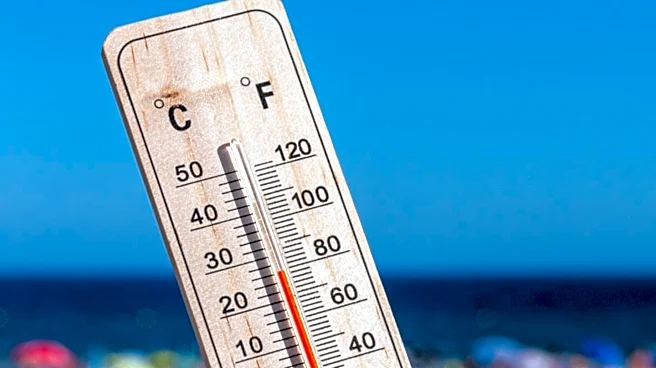
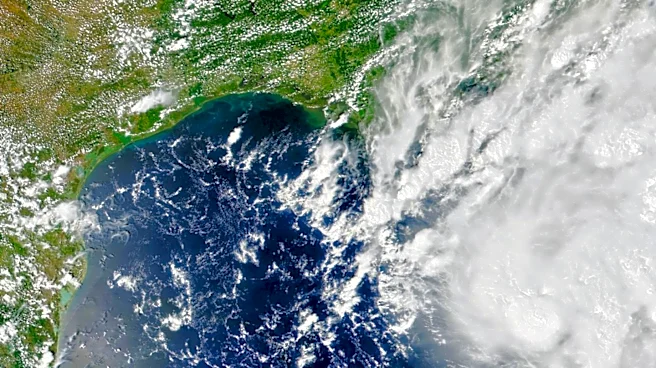
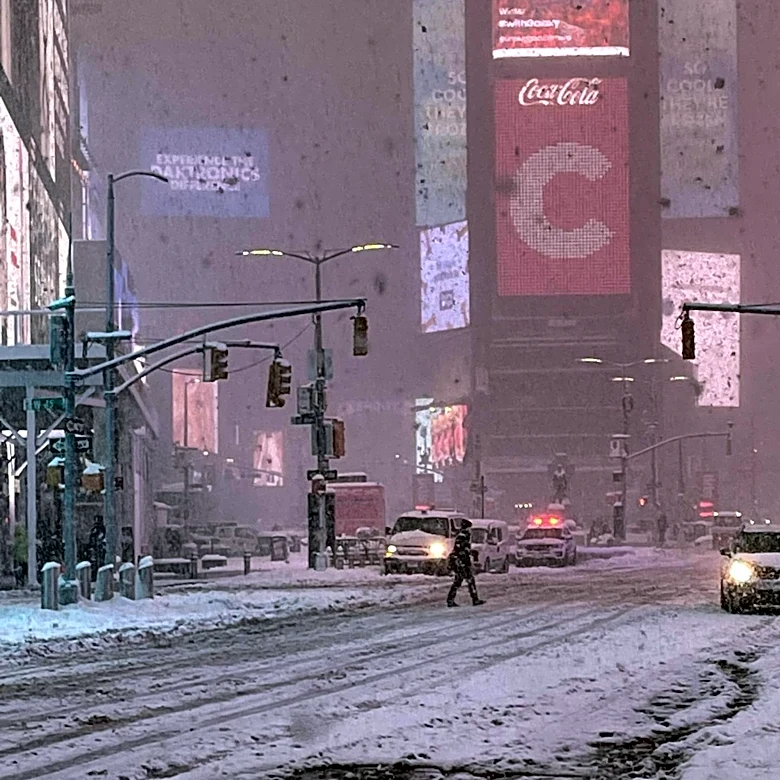
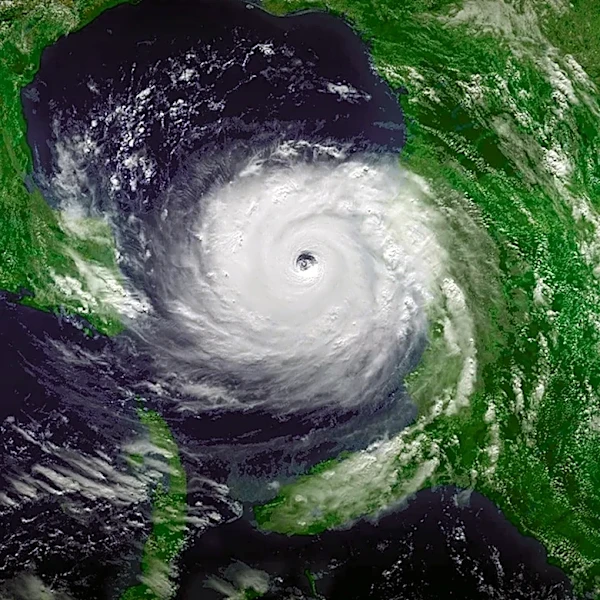
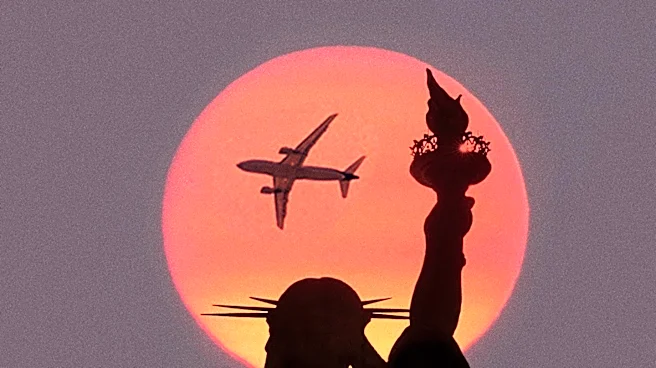
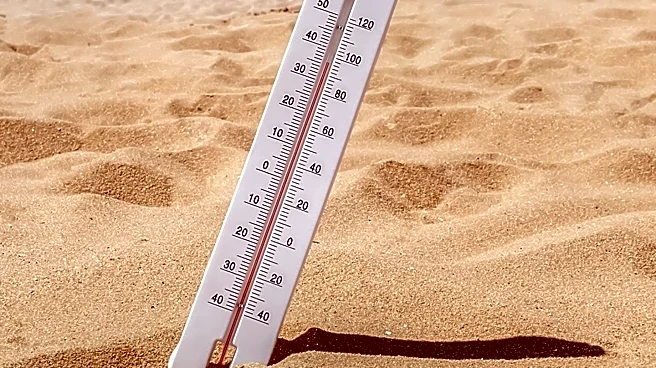
Extreme weather, including deadly storms and a heat wave, disrupted July 4th celebrations across the U.S., affecting millions. The Northeast experienced record-setting temperatures and thunderstorms, leading to power outages and transportation issues.
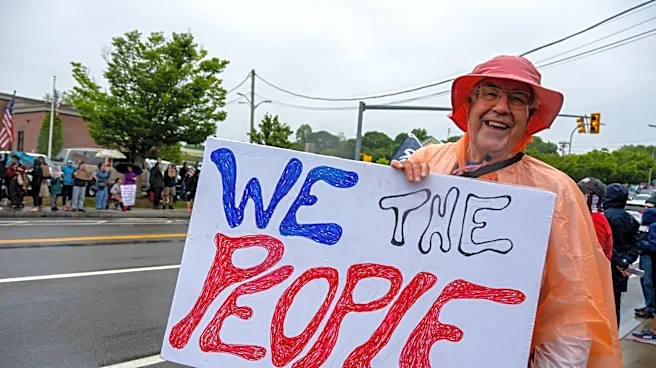
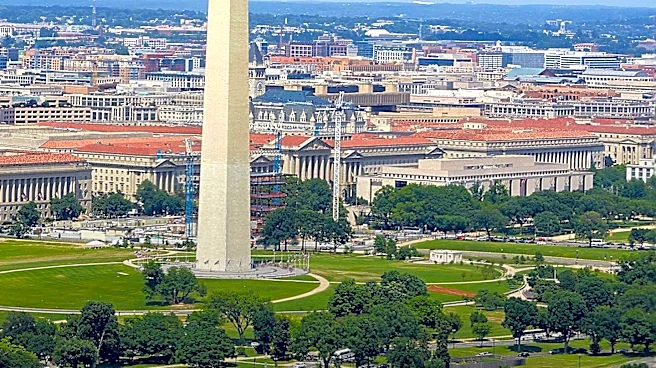
In Washington, D.C., celebrations were temporarily evacuated due to storms, and President Trump's address was delayed. The severe weather is expected to continue, with flood watches in place for the Northeast.
Why It's Important?
The extreme weather events highlight the increasing impact of climate change on traditional celebrations and daily life. The disruptions caused by the storms and heat wave underscore the need for improved infrastructure and emergency preparedness to handle such events. The situation also raises awareness about the potential for more frequent and severe weather patterns, prompting discussions on climate resilience and adaptation strategies.
What's Next?
As the weather continues to pose challenges, cities may need to reassess their emergency response plans and infrastructure to better handle extreme conditions. This could involve investing in more resilient power grids, improving public communication systems, and enhancing support for vulnerable populations during such events. The ongoing weather patterns may also influence public policy discussions on climate change and environmental protection.