








What's Happening?
Technical specifications and build instructions for a mirror model, LM40SAMFHD700AG25WV, have been detailed on GitHub. The information includes instructions for resetting the mirror to its initial state, enabling the backlight, and more detailed build notes.
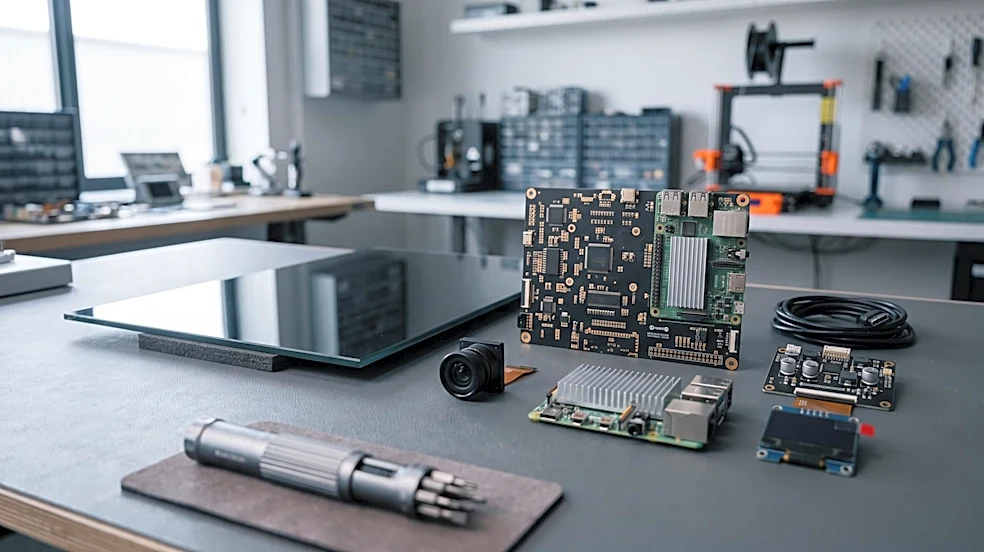
Users can reset the mirror via an app or a blue button, or by removing it from the Wi-Fi network. The documentation also covers the removal and reinstallation of components like the camera lens and board, and the integration of new parts such as an eBay-sourced board and a Raspberry Pi 4. Specific instructions are provided for mounting boards, adding USB-A and USB-C ports, and managing power for the backlight. The notes also discuss challenges encountered during the build, such as cable management and audio connectivity, offering solutions and workarounds for those undertaking similar projects.
Why It's Important?
This detailed technical documentation is important for the DIY and electronics enthusiast community, particularly those interested in smart mirror projects. It provides a comprehensive guide for modifying or building a mirror with specific components, potentially fostering innovation and customization in personal technology. The open-source nature of the information on GitHub allows for collaborative development and troubleshooting, benefiting a wider audience. For consumers, this level of detail can demystify the internal workings of such devices, empowering them to repair or upgrade their own equipment rather than relying solely on manufacturers. It also highlights a growing trend of user-driven modification and enhancement of consumer electronics, pushing the boundaries of product functionality beyond original design intentions.
What's Next?
The continued availability of these detailed build instructions on GitHub suggests ongoing community engagement and potential for further enhancements or modifications to the LM40SAMFHD700AG25WV mirror model. Users may contribute additional insights, alternative solutions, or improvements to the existing documentation. This collaborative environment could lead to the development of new features, more efficient build processes, or even adaptations for different hardware configurations. The information could also inspire other developers to create similar open-source projects for various smart home devices, fostering a broader movement towards user-modifiable and customizable technology. Future updates might address current challenges, such as audio connectivity, or introduce new functionalities based on community feedback.
Beyond the Headlines
The detailed technical breakdown of the mirror model on GitHub points to a broader cultural shift towards transparency and user empowerment in technology. By providing in-depth schematics and build instructions, the project challenges the traditional closed-system approach of many consumer electronics manufacturers. This fosters a sense of ownership and understanding among users, moving beyond mere consumption to active participation in product development and customization. Ethically, it raises questions about intellectual property and the right to repair, as users are encouraged to modify devices that might otherwise be proprietary. This movement could lead to more sustainable practices by extending the lifespan of electronics through repair and upgrade, and it highlights the power of collaborative online communities in driving technological evolution.