





What's Happening?
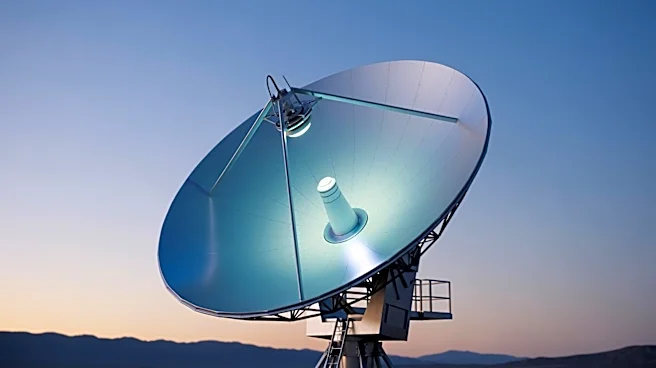
NASA has completed its investigation into the damage sustained by the Deep Space Station 14 (DSS-14) antenna at the Goldstone Deep Space Communications Complex in California. The incident, classified as a Type A mishap, occurred when the antenna over-rotated
while tracking the Juno mission, leading to significant structural damage and flooding. The investigation identified software weaknesses, human error, and an undetected failure in the hydraulic limit system as primary causes. NASA plans to keep the antenna offline for repairs and scheduled upgrades, with the Deep Space Network's other antennas continuing to support over 40 missions.
Why It's Important?
The mishap highlights the critical need for robust operational procedures and system safeguards in space communications infrastructure. The incident underscores the importance of maintaining and upgrading essential systems to support NASA's ambitious future missions. The findings from the investigation will inform improvements across the Deep Space Network, ensuring resilience and reliability in supporting space exploration and planetary defense initiatives. The repairs and upgrades are crucial for maintaining the network's capability to handle future scientific and exploratory missions.
What's Next?
NASA will proceed with the repairs and upgrades of the DSS-14 antenna, expected to be completed by October 2028. The agency is implementing lessons learned from the investigation to enhance training, operational procedures, and system design across all network sites. These efforts aim to prevent future mishaps and ensure the network's readiness for upcoming missions. The agency's commitment to modernizing its systems will play a vital role in supporting the next generation of space exploration.