




What's Happening?
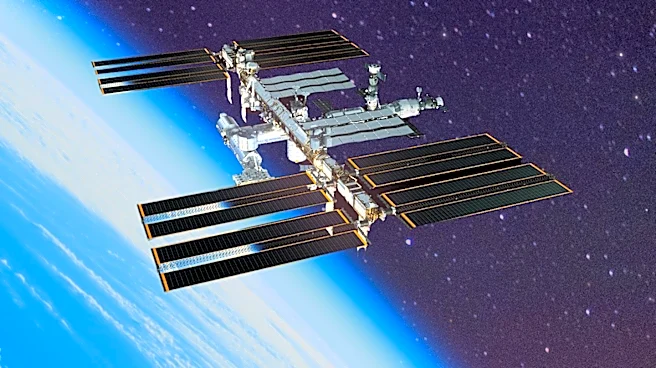
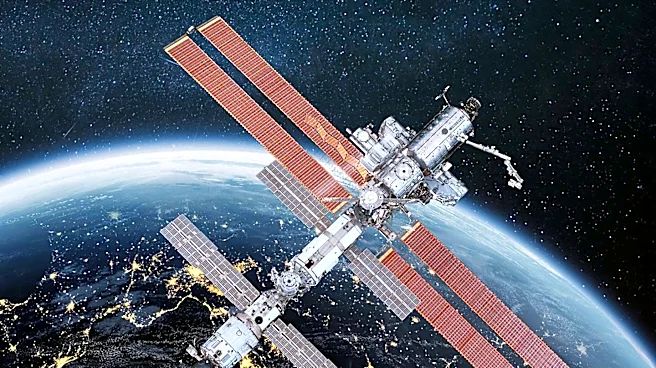
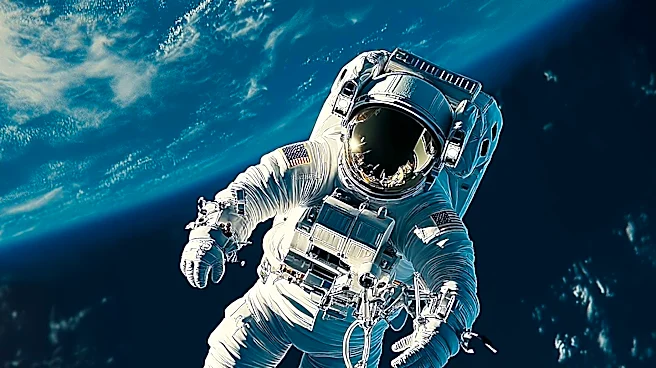
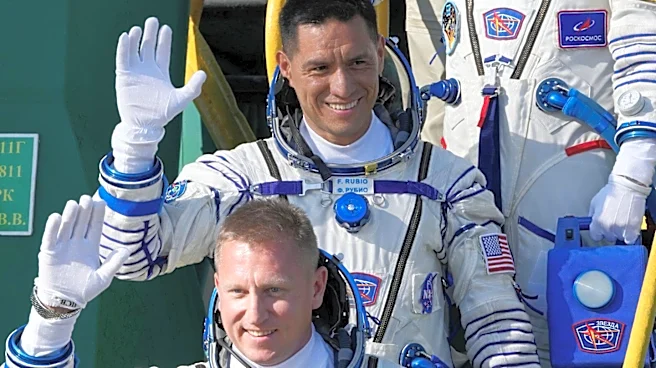
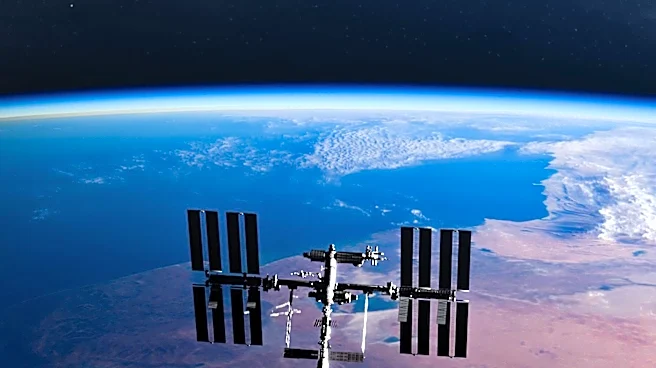
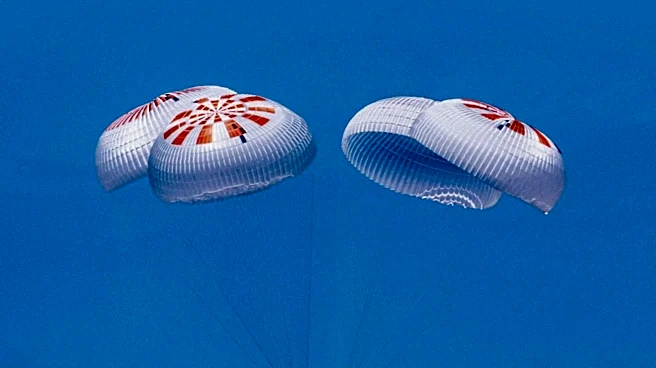
A U.S.-Russian crew has safely returned to Earth after spending 241 days aboard the International Space Station (ISS). The crew, consisting of NASA astronaut Chris Williams and Russian cosmonauts Sergei Kud-Sverchkov and Sergei Mikaev, landed in Kazakhstan.
This mission marked the first spaceflight for Williams and Mikaev, while Kud-Sverchkov completed his second. The crew's return highlights ongoing international cooperation in space exploration, despite geopolitical tensions. Earlier, NASA astronaut Anil Menon and Roscosmos cosmonauts Pyotr Dubrov and Anna Kikina had joined the ISS for an eight-month mission.
Why It's Important?
The successful return of the ISS crew underscores the importance of international collaboration in space exploration. Despite political differences, the U.S. and Russia continue to work together on scientific missions, demonstrating the potential for cooperation in addressing global challenges. The mission's success also contributes to the body of knowledge necessary for future long-duration spaceflights, which are critical for planned missions to the Moon and Mars. The collaboration serves as a model for other international partnerships in science and technology.
What's Next?
Following their return, the crew will undergo medical evaluations and debriefings to assess the impact of long-duration spaceflight on human health. These findings will inform future missions and help improve safety protocols. The continued presence of international crews on the ISS will facilitate ongoing research and technological advancements. As space agencies plan for more ambitious missions, the lessons learned from this mission will be invaluable in preparing for the challenges of deep space exploration.