





What's Happening?
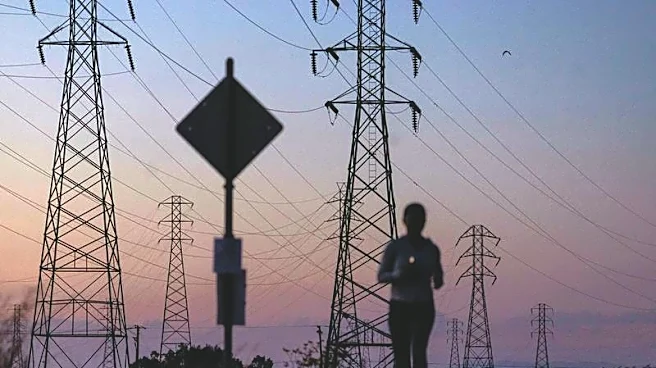
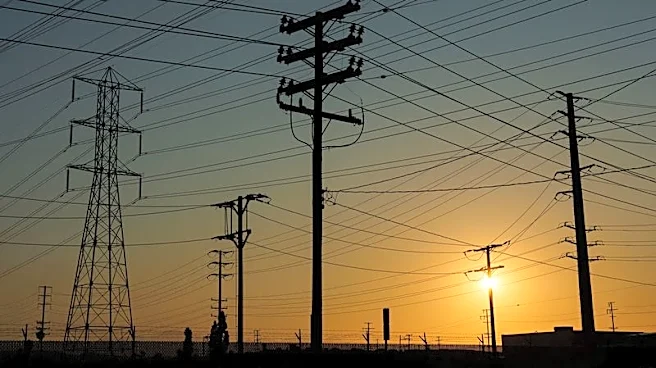
ISO New England, the organization responsible for managing the electric grid in New England, is anticipating exceptionally tight operating conditions due to high electricity demand. This situation is expected to occur during peak hours, particularly between
4 and 8 p.m., when solar energy production decreases and air conditioning usage increases as people return home from work. The demand is projected to peak at 25,850 megawatts, significantly higher than the previous week's peak of 17,000 megawatts. Although ISO New England expects to have sufficient power supplies, they are encouraging residents to reduce electricity usage to alleviate stress on the grid. Suggested measures include avoiding the use of energy-intensive appliances during peak hours, adjusting thermostats, and unplugging unnecessary devices.
Why It's Important?
The high demand for electricity during peak hours poses a challenge for the grid's stability and can lead to increased operational costs. By reducing energy consumption during these times, consumers can help prevent the activation of older, more polluting power plants, which are costly to operate. This not only helps in maintaining grid stability but also reduces electricity costs and environmental impact. The concept of 'peak shaving'—reducing energy use during high demand periods—can lead to significant savings and a reduction in the need for expensive infrastructure upgrades. This approach underscores the importance of consumer participation in energy conservation efforts.
What's Next?
While ISO New England is not currently requesting mandatory reductions in electricity use, continued high demand could lead to more formal requests or even rolling blackouts if the grid becomes overly stressed. The organization may also explore further incentives for consumers to participate in energy-saving programs, such as those involving smart thermostats and home battery systems. These programs have previously demonstrated their effectiveness in reducing demand and could be expanded to enhance grid resilience.