

What's Happening?
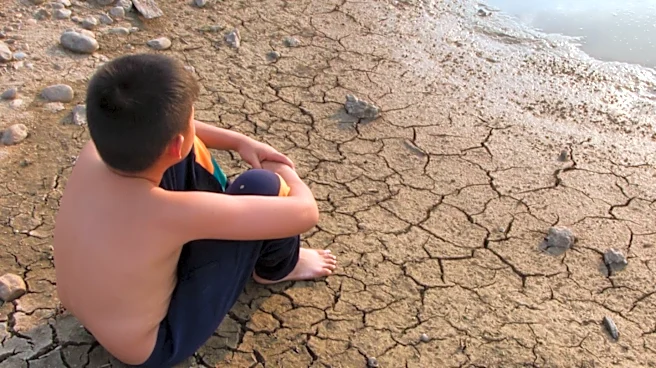
The U.S. Drought Monitor has declared an 'extreme drought' condition in parts of southern Puerto Rico, as reported in their latest update. This declaration follows a period of significantly reduced rainfall, with July marking the driest month on record
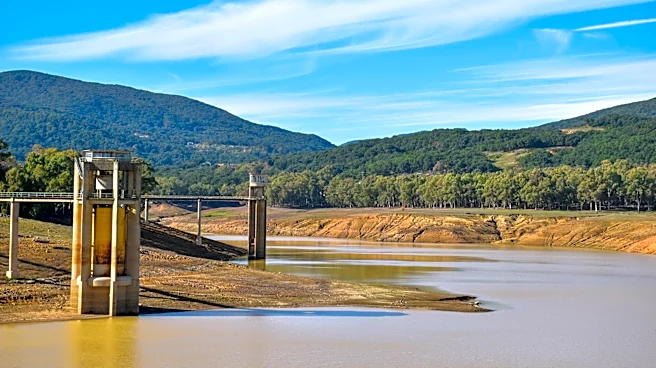
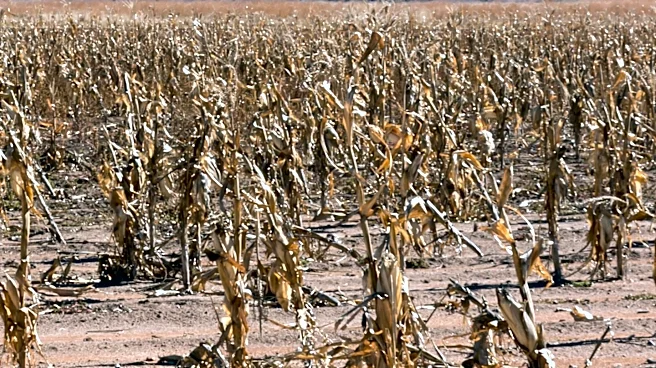
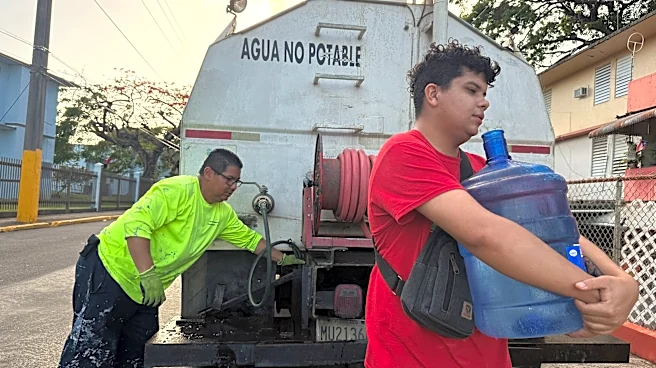
for San Juan since records began in 1899. The drought has intensified rapidly, affecting the central-southern and western regions of the island. The report also notes that severe drought conditions have expanded to the central-southern areas and are now connecting with existing drought zones in the northeast. The lack of rainfall has led to water rationing measures, particularly affecting those reliant on the Carraízo reservoir. The drought has also severely impacted agriculture, with unofficial reports indicating a 69% decrease in coffee production and reduced yields in peppers and fruits.
Why It's Important?
The declaration of extreme drought in Puerto Rico has significant implications for the island's agriculture and water supply. The reduction in coffee production, a key agricultural product, could have economic repercussions for local farmers and the broader economy. Water rationing measures may also affect daily life and business operations, potentially leading to increased costs and logistical challenges. The situation underscores the vulnerability of island regions to climate variability and the need for effective water management and agricultural adaptation strategies. The drought's impact on agriculture could also lead to increased food prices and supply chain disruptions, affecting both local consumers and export markets.
What's Next?
In response to the drought, water rationing measures are set to begin for those supplied by the Carraízo reservoir. Authorities may need to implement further water conservation strategies and support for affected farmers. The situation may prompt discussions on long-term solutions to enhance water resilience and agricultural sustainability in Puerto Rico. Monitoring of rainfall patterns and drought conditions will continue to be crucial in managing the crisis. Stakeholders, including government agencies and agricultural organizations, may need to collaborate on emergency relief efforts and explore innovative water management technologies.