








What's Happening?
A recent randomized controlled trial conducted in Iran has demonstrated that a modified, calorie-restricted version of the MIND diet can significantly enhance antioxidant defenses and improve daily energy and emotional well-being in women with type 2
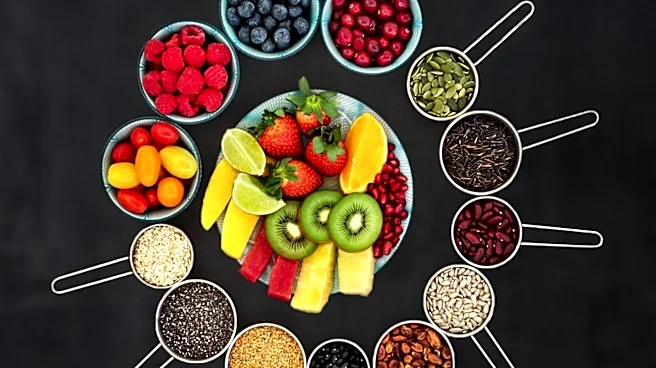
diabetes and insomnia symptoms. The study, published in BMC Endocrine Disorders, involved 44 women diagnosed with type 2 diabetes, reporting insomnia, and classified as overweight or obese. Participants were divided into two groups: one followed a standard low-calorie diet, while the other adhered to a modified MIND low-calorie diet. Over a twelve-week period, researchers observed significant increases in superoxide dismutase (SOD) and total antioxidant capacity (TAC) in the group following the modified MIND diet, indicating strengthened internal antioxidant defenses. Furthermore, this group reported feeling more energetic and emotionally stable compared to the control group, as measured by the SF-36 questionnaire. The MIND diet, a hybrid of the Mediterranean and DASH diets, emphasizes foods linked to slower cognitive decline, such as leafy greens, berries, nuts, whole grains, legumes, fish, and poultry, while discouraging red meat, butter, cheese, sweets, and fried foods.
Why It's Important?
This research is significant for the millions of women in the U.S. managing type 2 diabetes and insomnia, as both conditions are known to contribute to oxidative stress and inflammation, which can damage blood vessels, nerves, and organs. The findings suggest that dietary interventions, specifically the MIND diet, could offer a non-pharmacological approach to mitigate these destructive biochemical processes. By improving antioxidant capacity, the diet may help interrupt the self-reinforcing loop of oxidation and inflammation that drives diabetic complications. The reported improvements in energy and emotional well-being highlight the potential for dietary changes to enhance the lived experience of individuals with chronic metabolic diseases, beyond just managing blood glucose levels. This could lead to improved quality of life and potentially reduce the burden on healthcare systems by offering a preventative or complementary treatment strategy for these interconnected health issues.
What's Next?
While the current study provides encouraging results, the researchers emphasize the need for larger sample sizes and longer follow-up periods to confirm and expand upon these findings. Future research will aim to determine if the observed biomarker changes translate into fewer long-term diabetic complications and if the gains in energy and emotional well-being are sustained over time. Additionally, further studies could explore the generalizability of these results to men and other populations with type 2 diabetes and insomnia. The selective nature of the quality of life improvements also warrants deeper investigation into the specific mechanisms through which the MIND diet impacts different aspects of well-being. This could involve more detailed analyses of inflammatory biomarkers, which did not show significant improvement in this particular trial, to fully understand the diet's comprehensive effects.
Beyond the Headlines
The study's findings underscore the growing understanding of the intricate connection between diet, gut health, and mental well-being. The emphasis on antioxidant-rich foods in the MIND diet suggests a broader implication for combating chronic inflammation, a common underlying factor in many age-related diseases and mental health conditions. The selective improvement in energy and emotional well-being, despite no broad improvement across all quality of life domains, hints at the specific pathways through which dietary interventions can influence mood and vitality. This could lead to more targeted dietary recommendations for individuals struggling with fatigue and mood disturbances linked to chronic illnesses. The success of a modified, calorie-restricted version of the MIND diet also highlights the adaptability of established dietary patterns to address specific health challenges, moving beyond a one-size-fits-all approach to nutrition and promoting personalized dietary strategies.