





What's Happening?
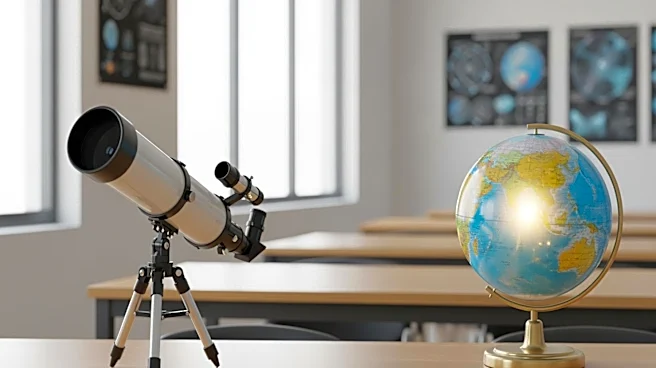
NASA eClips and the GLOBE Program have partnered with educators and community organizations in Virginia's Tidewater region to strengthen STEM education. This collaboration involves 38 science educators from seven school districts working with the Elizabeth
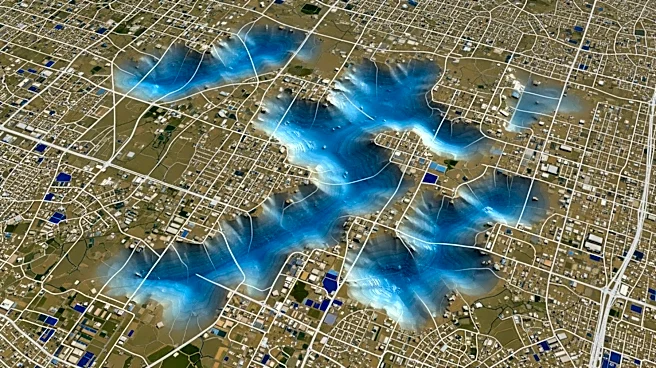
River Project and other community groups. The initiative is part of NASA's Science Activation Program, which aims to connect classrooms with real-world science applications. Educators participated in professional learning experiences, exploring topics like land cover, surface temperature, and atmospheric conditions using NASA resources. The program also involves students in data collection and analysis, fostering a hands-on approach to learning.
Why It's Important?
This initiative is significant as it enhances STEM education by integrating authentic NASA science into classroom instruction. By involving educators and students in real-world scientific practices, the program aims to inspire the next generation of scientists and engineers. The collaboration also supports community engagement and strengthens the regional STEM ecosystem, providing students with valuable skills and knowledge. This approach aligns with educational standards and promotes a deeper understanding of environmental science, which is crucial for addressing global challenges like climate change.
What's Next?
The program will continue to expand, with participating school divisions and community organizations integrating NASA eClips and GLOBE resources into their curricula. This ongoing effort will ensure that students have access to high-quality STEM education and opportunities to engage in citizen science. The initiative may serve as a model for other regions looking to enhance their STEM education programs. Continued support from the Virginia General Assembly and other stakeholders will be essential for sustaining and growing the program.