






What's Happening?
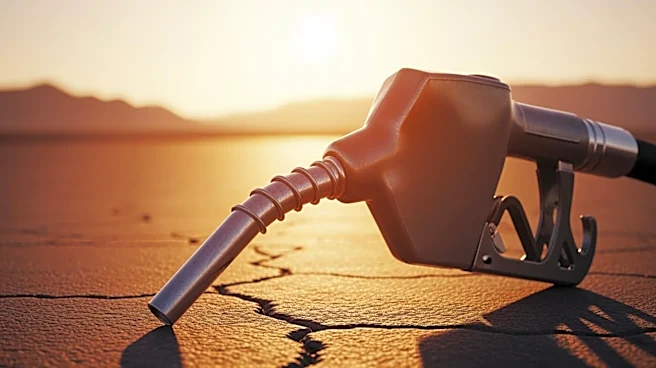
California is experiencing significantly higher gas prices compared to the national average, with current rates nearing $6 per gallon. This disparity is attributed to state-specific policies that restrict supply and impose costly compliance measures.
A two-year investigation by Governor Gavin Newsom found no evidence of price gouging by oil companies, shifting the focus to state policies as the primary cause. Factors such as high excise taxes, environmental programs, and a unique gasoline blend contribute to the elevated costs. The state's isolation from the broader North American fuel market, exacerbated by refinery closures, further limits supply and increases prices.
Why It's Important?
The high gas prices in California have substantial economic implications for residents and businesses, increasing the cost of living and operational expenses. The state's policies, intended to reduce emissions, have inadvertently created a supply squeeze, leading to higher prices. This situation highlights the challenges of balancing environmental goals with economic realities. The reliance on imports from overseas refineries also raises concerns about environmental trade-offs and the effectiveness of local standards.
What's Next?
California has several policy options to address the high gas prices, including reforming the Low Carbon Fuel Standard and repealing laws that cap refiner profits during price spikes. Embracing federal reforms, such as easing shipping restrictions, could also help integrate California into domestic supply networks. These measures could provide relief at the pump and encourage long-term investments in refining capacity. The state's approach to balancing environmental objectives with economic impacts will be crucial in shaping future energy policies.