


What's Happening?
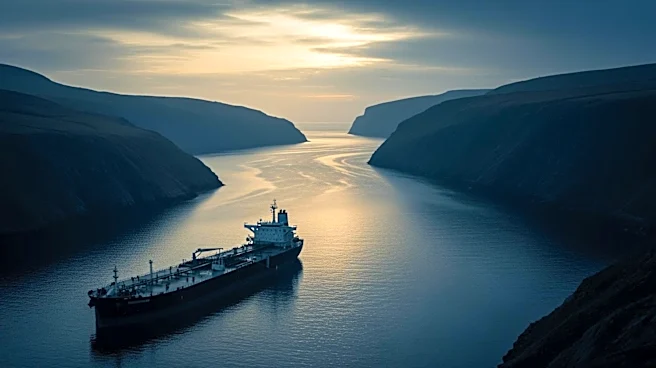
The Iranian blockade of the Strait of Hormuz has underscored the global dependency on fossil fuels, revealing vulnerabilities in the energy supply chain. The Strait, a critical passage for oil and gas, has been effectively closed, causing energy prices
to surge and creating economic shockwaves worldwide. This disruption has led to fuel shortages and rationing, with fears of a global recession looming. Experts highlight the difference between fossil fuel and renewable energy systems, noting that fossil fuels require continuous shipments, making them susceptible to such geopolitical disruptions. In contrast, renewable energy relies on equipment transportation, offering more stability once infrastructure is established.
Why It's Important?
The blockade has exposed the fragility of a global energy system heavily reliant on a few narrow maritime chokepoints, particularly in volatile regions. With 80% of the world's energy dependent on fossil fuels, and 25% of that passing through the Strait of Hormuz, the current situation highlights the urgent need for a transition to renewable energy sources. Such a shift could mitigate the risks associated with geopolitical tensions and ensure more stable energy supplies. The crisis emphasizes the importance of diversifying energy sources to enhance global energy security and reduce economic vulnerabilities.
What's Next?
Countries may accelerate their transition to renewable energy to reduce dependency on fossil fuels and enhance energy security. This could involve increased investment in solar, wind, and battery technologies, as well as efforts to build more resilient supply chains for critical materials. The current crisis may prompt governments to reconsider their energy policies and prioritize the development of domestic renewable energy infrastructure. Additionally, there may be a push for international cooperation to address the vulnerabilities in the global energy system and ensure a more sustainable and secure energy future.
Beyond the Headlines
The situation also raises ethical and environmental concerns about the continued reliance on fossil fuels. The geopolitical tensions and economic disruptions caused by the blockade highlight the broader implications of fossil fuel dependency, including environmental degradation and climate change. The crisis serves as a reminder of the need for a comprehensive approach to energy policy that considers not only economic and security factors but also environmental sustainability and social equity.