



What's Happening?
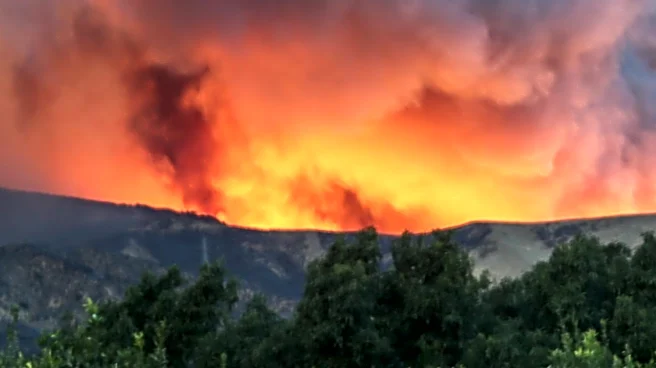
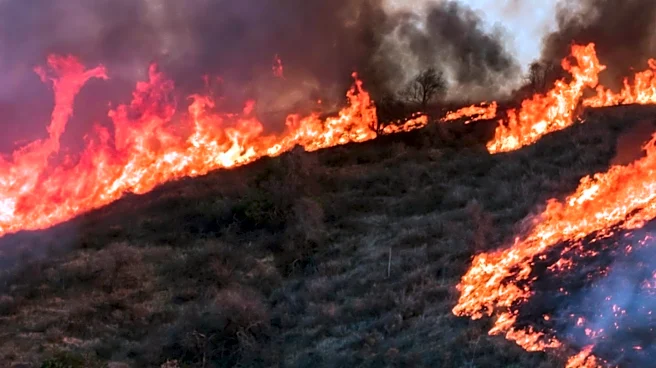
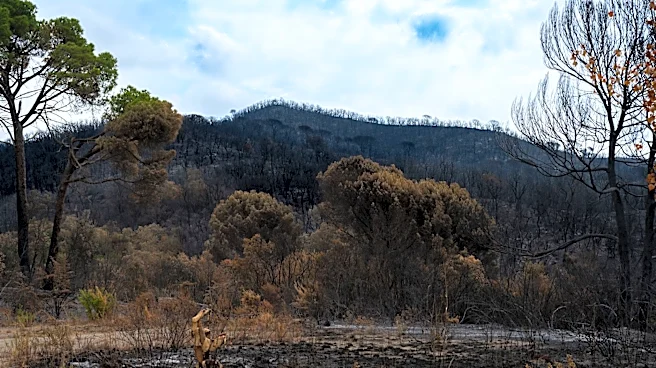
A recent study by researchers at the Chinese Academy of Sciences indicates that Africa's wildfire season is shortening due to changes in rainfall patterns. The study, published in Geophysical Research Letters, analyzed rainfall records from 1990 to 2023
and satellite fire observations from 2003 to 2022. It found that increased rainfall is delaying the onset of the dry season, which is when wildfires typically occur. This delay is attributed to a greater share of rain falling later in the wet season, preventing the land from drying out as quickly. The study highlights a decline in burned areas across Africa, particularly during peak fire months.
Why It's Important?
The findings have significant implications for wildfire management and prevention strategies in Africa. With 70% of global wildfires occurring on the continent, understanding the factors that influence fire seasons is crucial for reducing the risk of large-scale fires. The study's insights into rainfall patterns could help improve fire risk assessments and inform more effective management practices. Additionally, the reduction in burned areas may contribute to lower carbon emissions from wildfires, which is important for global climate change mitigation efforts.
What's Next?
Further research is needed to explore the underlying causes of the observed changes in rainfall patterns and their impact on wildfire dynamics. Policymakers and environmental agencies may use these findings to develop targeted strategies for fire prevention and management. Incorporating late-season rainfall data into fire risk models could enhance the accuracy of predictions and improve preparedness. As climate change continues to influence weather patterns, ongoing monitoring and adaptation will be essential to address the evolving challenges of wildfire management in Africa.