




What's Happening?
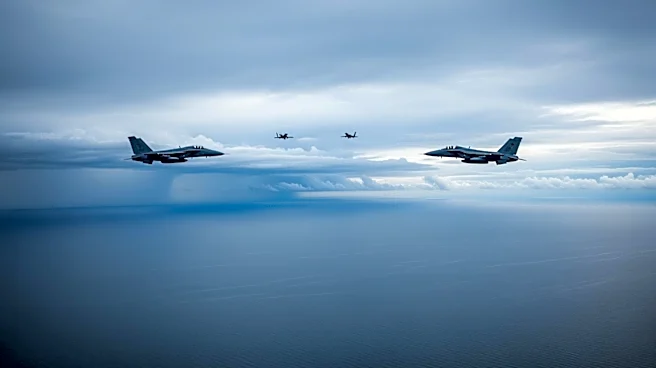
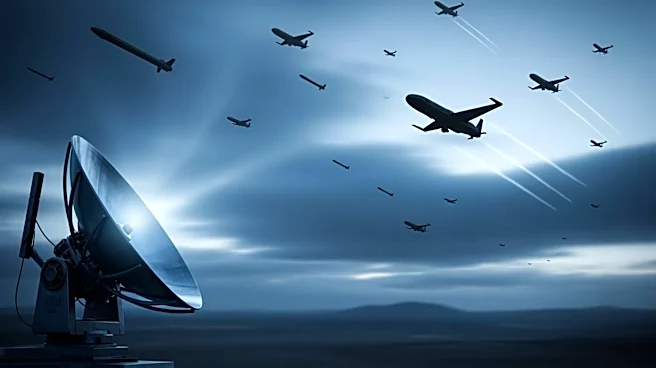
NATO forces intercepted Russian strategic bombers and fighter jets flying over the Baltic Sea on April 21, 2026. This operation involved French Rafale fighters, along with jets from Sweden, Finland, Poland, Denmark, and Romania, all deployed from a Lithuanian
air base. The Russian mission included two Tu-22M3 bombers and approximately ten fighter jets, which took turns escorting the bombers. The Russian Defense Ministry confirmed that the flight was scheduled and took place in neutral Baltic Sea airspace. NATO routinely intercepts Russian aircraft that approach or fly near its airspace, often noting that the Russian planes fail to use transponders or communicate with air traffic controllers.
Why It's Important?
This interception underscores the ongoing tensions between NATO and Russia, particularly in the Baltic region. The frequent encounters between NATO and Russian aircraft highlight the strategic importance of the Baltic Sea as a military and geopolitical flashpoint. Such incidents can escalate tensions and increase the risk of miscommunication or accidents, potentially leading to broader conflicts. The presence of multiple NATO countries in the interception effort demonstrates the alliance's commitment to maintaining airspace security and deterring potential threats from Russian military activities.
What's Next?
Future interactions between NATO and Russian forces in the Baltic region are likely to continue, given the strategic significance of the area. NATO may increase its air policing efforts and readiness to respond to Russian military flights. Diplomatic channels may be utilized to address the underlying tensions and prevent escalation. Additionally, NATO member states might consider enhancing their defense capabilities and coordination to better manage such encounters.
Beyond the Headlines
The interception of Russian aircraft by NATO highlights the broader geopolitical struggle for influence in Eastern Europe. It reflects the ongoing power dynamics and military posturing between Russia and Western nations. This situation also raises questions about international airspace regulations and the need for clear communication protocols to prevent misunderstandings. The incident may influence defense policies and military strategies within NATO, as member states assess the implications of Russian military activities near their borders.