







What's Happening?
Aviation safety experts have observed a notable increase in GPS jamming and spoofing incidents, particularly in parts of the Middle East and Eastern Europe. This trend has led international aviation regulators to issue ongoing advisories for flight crews
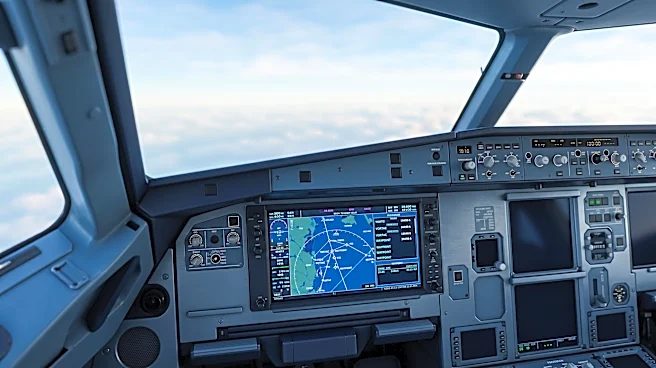
operating in these affected flight information regions (FIRs). One specific incident involved a Qatar Airways flight en route to Seattle, which reported a dual GPS signal loss while flying over Iraq. Despite the unrecovered satellite navigation data, the aircraft was able to continue safely on its flight plan. The advisories and reported incidents highlight a growing concern within the aviation industry regarding the reliability of GPS navigation in certain geopolitical hotspots. These jamming events can disrupt critical navigation systems, potentially impacting flight safety and operational efficiency.
Why It's Important?
The increasing frequency of GPS jamming and spoofing incidents carries significant implications for global aviation, including potential impacts on U.S. air carriers operating in or transiting through affected regions. Reliable GPS navigation is fundamental to modern air travel, enabling precise positioning, efficient flight paths, and safe landings. Disruptions to these systems can force pilots to rely on alternative, less precise navigation methods, increasing workload and potentially leading to delays or diversions. For U.S. airlines, this could translate into higher operational costs due to longer flight times or increased fuel consumption, as well as potential safety risks for passengers and crew. The need for international cooperation in addressing these threats becomes paramount, as the integrity of global air traffic management depends on secure and unhindered navigation capabilities. The incidents underscore the vulnerability of critical infrastructure to electronic warfare tactics and the necessity for robust backup systems and pilot training.
What's Next?
In response to the escalating GPS jamming incidents, international aviation regulators are expected to continue issuing and updating advisories for flight crews. This will likely involve enhanced training protocols for pilots on how to manage GPS signal loss and navigate using alternative systems. Airlines, including those based in the U.S., may need to invest further in resilient navigation technologies that are less susceptible to jamming or spoofing, such as advanced inertial navigation systems. There could also be increased pressure on international bodies to investigate the sources of these jamming activities and implement diplomatic or technical countermeasures. The aviation industry will likely focus on developing more robust and redundant navigation solutions to ensure the continued safety and efficiency of air travel in an increasingly complex electromagnetic environment.
Beyond the Headlines
The rise in GPS jamming incidents points to a broader geopolitical landscape where electronic warfare capabilities are becoming more prevalent and accessible. This development has implications beyond commercial aviation, potentially affecting military operations, maritime navigation, and critical infrastructure that relies on precise timing and positioning data. The incidents highlight a growing vulnerability in our reliance on satellite-based technologies and underscore the need for nations to develop independent and resilient navigation systems. Ethically, the deliberate jamming of civilian aviation signals raises serious concerns about international law and the safety of innocent travelers. Culturally, it may lead to a re-evaluation of the perceived invulnerability of modern technological systems and a renewed focus on traditional navigation skills as essential backups. The long-term shift could involve a global push for more secure and diversified navigation infrastructure, reducing dependence on a single point of failure like GPS.