
What's Happening?
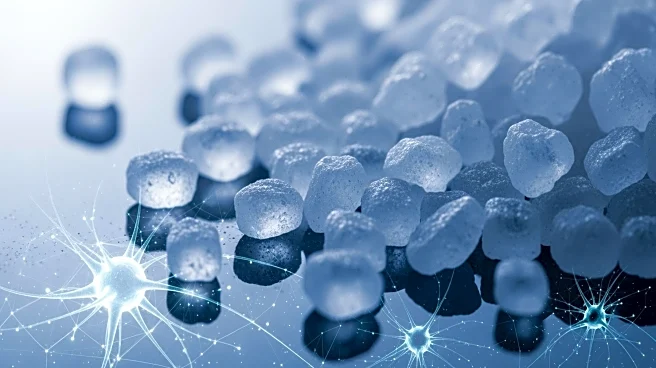
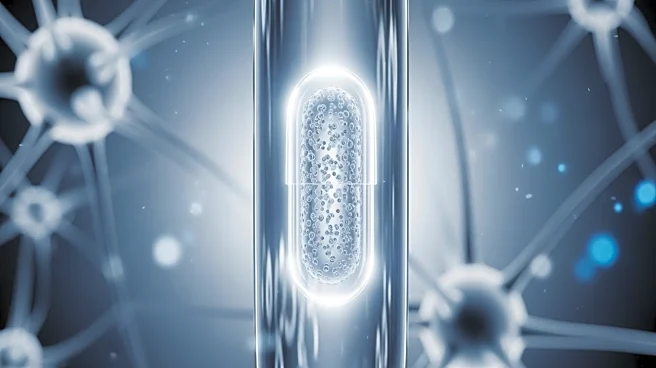
Northwestern University scientists have developed an injectable regenerative nanomaterial designed to protect the brain during the critical period following a stroke. In a preclinical study, the team administered a single intravenous dose to a mouse model
of ischemic stroke, the most common type of stroke. This therapy successfully crossed the blood-brain barrier, a significant challenge for most drugs, to reach and repair brain tissue. The material significantly reduced brain damage without causing side effects or organ toxicity. The study, published in the journal Neurotherapeutics, suggests that this new therapy could complement existing stroke treatments by limiting secondary brain injury and supporting recovery. The research was led by Dr. Ayush Batra and Samuel I. Stupp, who emphasized the potential of this therapy to address unmet needs in stroke treatment.
Why It's Important?
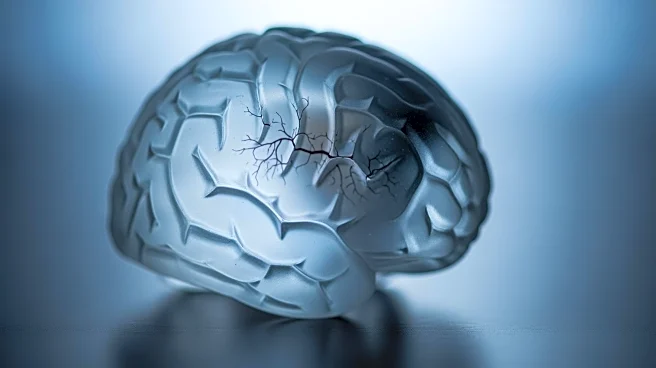
This development is significant as it addresses a major challenge in stroke treatment: the secondary damage caused by the restoration of blood flow. Current treatments focus on restoring blood flow, but this can lead to further brain damage. The new therapy offers a way to protect the brain during this vulnerable period, potentially reducing long-term disability and improving recovery outcomes. This could have a profound impact on the quality of life for stroke survivors, reducing the personal and financial burdens associated with stroke recovery. Additionally, the ability of the therapy to cross the blood-brain barrier opens new possibilities for treating other neurological conditions.
What's Next?
Further studies are needed to assess the long-term effects of this therapy and its potential to support functional recovery. Researchers are interested in testing whether additional regenerative signals could enhance the therapeutic effects. The team plans to conduct longer follow-up studies and more sophisticated behavioral testing to evaluate the therapy's impact on cognitive decline and other long-term effects of stroke. If successful, this therapy could be a game-changer in stroke treatment and potentially applicable to other brain injuries and neurodegenerative diseases.