






What's Happening?
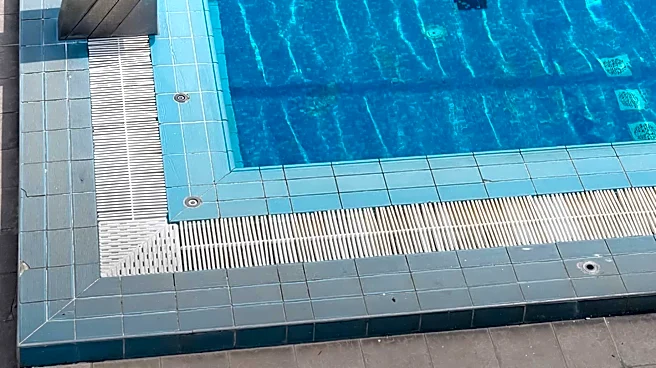
New York City has officially opened its free outdoor pools for the summer of 2026, marking the first day of summer break for students across the city's five boroughs. This annual event is a significant moment for the city, providing a recreational outlet
for children and families during the hot summer months. The opening of these pools is part of the city's efforts to offer accessible and free recreational activities to its residents, particularly benefiting those who may not have the means to access private facilities. The initiative is expected to draw large crowds, as it traditionally does, offering a safe and enjoyable environment for swimming and community gathering.
Why It's Important?
The opening of New York City's free outdoor pools is crucial for several reasons. It provides a vital public service, ensuring that all residents, regardless of economic status, have access to recreational facilities. This initiative supports public health by encouraging physical activity and offering a respite from the summer heat. Additionally, it fosters community engagement and social interaction, which are essential for the well-being of urban populations. The pools also serve as a safe space for children and teenagers, potentially reducing the risk of heat-related illnesses and providing a constructive way to spend their summer break.
What's Next?
As the summer progresses, the city will likely monitor the usage and maintenance of these pools to ensure they remain safe and clean for public use. There may be additional programming or events organized around these facilities to further engage the community. The city might also assess the impact of these pools on local communities and consider expanding or enhancing the facilities in future years based on feedback and demand.
Beyond the Headlines
The opening of these pools also highlights broader issues of urban planning and public resource allocation. It underscores the importance of investing in public infrastructure that promotes health and well-being. Moreover, it raises questions about how cities can continue to provide equitable access to recreational facilities in the face of budget constraints and growing populations. The success of such initiatives could influence other cities to adopt similar programs, promoting a nationwide trend towards more inclusive public amenities.