



What's Happening?
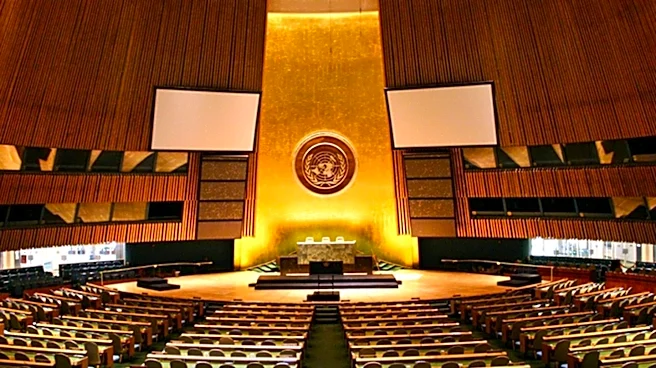
The sixth session of the Forum on Human Rights, Democracy and the Rule of Law is scheduled to take place on November 16 and 17, 2026, at the United Nations Office in Geneva. This session, mandated by Human Rights Council resolution 58/8 adopted on April
2, 2025, will center on the theme 'Education for civic participation: empowering future generations, fostering knowledge and critical thinking.' The forum aims to explore how education can play a pivotal role in cultivating active and informed citizens, thereby strengthening democratic processes and upholding the rule of law. Discussions are expected to delve into various aspects of civic education, including curriculum development, teaching methodologies, and the creation of environments that encourage critical thinking and engagement among young people. The event will bring together experts, policymakers, educators, and civil society representatives to share best practices and formulate strategies for enhancing civic participation globally. This initiative underscores the United Nations' ongoing commitment to promoting human rights and democratic governance through educational empowerment.
Why It's Important?
The focus of the UN Human Rights Forum on 'Education for civic participation' holds significant implications for the U.S., particularly in the context of its democratic institutions and societal cohesion. In an era marked by increasing political polarization and challenges to democratic norms, fostering knowledge and critical thinking among future generations is paramount. For the U.S., this theme resonates with ongoing debates about civics education in schools, media literacy, and the role of an informed citizenry in a functioning democracy. The forum's discussions could provide valuable insights and best practices that U.S. educators and policymakers might consider when reforming educational curricula or developing new initiatives aimed at enhancing civic engagement. A stronger emphasis on critical thinking skills, as advocated by the forum, could help combat the spread of misinformation and disinformation, which have become significant threats to democratic discourse in the U.S. Furthermore, empowering future generations through civic education can lead to increased participation in elections, community activism, and advocacy for human rights, thereby strengthening the foundations of American democracy. The outcomes of this forum could influence U.S. educational policy, potentially leading to a renewed focus on civic responsibility and democratic values in schools and communities nationwide.
What's Next?
The discussions and recommendations emerging from the sixth session of the Forum on Human Rights, Democracy and the Rule of Law are expected to influence national educational policies and civic engagement initiatives globally, including in the U.S. Policymakers and educators in the U.S. may draw upon the forum's insights to review and enhance existing civics curricula, integrate critical thinking skills more effectively into educational programs, and develop new strategies for youth empowerment. There could be a push for increased funding and resources dedicated to civic education at both federal and state levels. Additionally, the forum's emphasis on fostering knowledge and critical thinking might inspire collaborations between educational institutions, civil society organizations, and government agencies to create more robust and engaging civic learning opportunities. The outcomes could also inform public awareness campaigns aimed at highlighting the importance of civic participation and democratic values. Ultimately, the forum's work is likely to contribute to a broader international dialogue on how education can best serve as a tool for strengthening democracy and human rights, prompting continuous evaluation and adaptation of educational practices in the U.S. and beyond.
Beyond the Headlines
The theme of 'Education for civic participation' delves into the fundamental relationship between knowledge, critical thinking, and the health of democratic societies. Beyond the immediate policy implications, this forum addresses a deeper societal challenge: how to cultivate a citizenry capable of navigating complex information, engaging in constructive dialogue, and holding institutions accountable. For the U.S., this is particularly salient given the current landscape of information overload and partisan divides. The forum's focus implicitly acknowledges that democracy is not a static state but a dynamic process that requires continuous cultivation through education. It highlights the ethical imperative to equip individuals with the tools to discern truth from falsehood, to understand diverse perspectives, and to participate meaningfully in public life. This extends beyond formal schooling to encompass lifelong learning and the role of media, community organizations, and families in fostering civic literacy. The long-term impact could be a societal shift towards a more engaged, informed, and resilient citizenry, better equipped to address the challenges of the 21st century and uphold the principles of human rights and democracy. It underscores that the future of democratic governance hinges on the intellectual and civic development of its people.