
What's Happening?
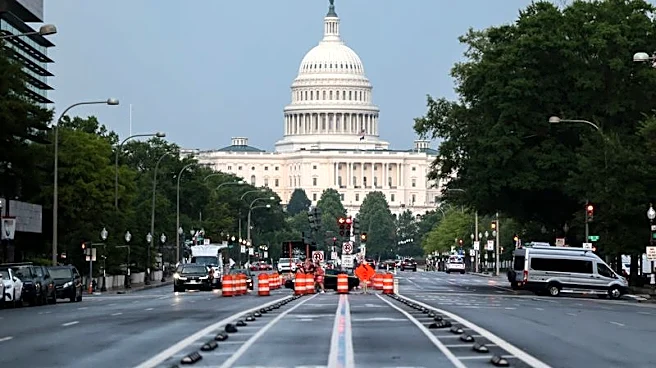
Representative Richard Neal, a Democrat from Massachusetts and the top Democrat on the Ways and Means Committee, has voiced strong opposition to a provision within the 'Lindsey O. Graham Sanctioning Russia and Iran Act of 2026' that would expand presidential
tariff authorities. Neal, alongside Rep. Gregory Meeks of New York and Rep. Don Beyer of Virginia, issued a statement calling the bill 'unacceptable' and arguing it would cause 'more harm than good.' The House passed this bill, which aims to impose new sanctions on Russian officials, financial institutions, and energy projects, and grants President Trump the authority to impose tariffs of up to 100% on countries purchasing significant amounts of Russian oil and gas. Despite Neal's concerns, the bill passed the House with a 262-159 vote, with 58 Democrats supporting it, and is expected to be signed into law by President Trump. Neal's opposition centers on the belief that this expansion of tariff authority lacks guarantees to protect Ukraine and Russia, and could be misused.
Why It's Important?
The opposition from Representative Richard Neal and other prominent Democrats to the expanded presidential tariff authorities within the Russia sanctions bill highlights a significant point of contention regarding executive power and economic policy. Neal's concern that the bill 'would dramatically expand presidential tariff authorities while failing to mandate sanctions on Russia' suggests a potential for unintended economic consequences for the U.S. and its allies. The ability for President Trump to impose tariffs of up to 100% on countries like China and India, which are major purchasers of Russian oil and gas, could lead to increased prices for American consumers and businesses. This could also strain international trade relations, potentially undermining broader efforts to support Ukraine if allies are negatively impacted by U.S. tariffs. The debate underscores the delicate balance between imposing economic pressure on adversaries and safeguarding domestic economic stability and international partnerships.
What's Next?
Following the House's passage of the 'Lindsey O. Graham Sanctioning Russia and Iran Act of 2026,' the bill is now headed to President Trump's desk, where he is expected to sign it into law. Once enacted, the administration will gain the authority to impose significant tariffs on countries that continue to purchase Russian oil and gas. The implementation of these tariffs will be closely watched for their impact on global energy markets and international trade relations. Critics, including Representative Neal, anticipate potential economic repercussions, such as increased prices for American consumers and possible retaliatory measures from affected countries. The effectiveness of these new authorities in pressuring Russia, while avoiding harm to U.S. allies and the domestic economy, will be a key focus in the coming months. Further legislative efforts or international negotiations may arise to address any unforeseen negative consequences.
Beyond the Headlines
The debate surrounding the expansion of presidential tariff authorities, as highlighted by Representative Richard Neal's concerns, delves into fundamental questions about the separation of powers and the long-term implications of using economic tools for foreign policy objectives. Granting broad tariff powers to the executive branch, even with the stated goal of sanctioning Russia, raises constitutional questions about congressional oversight and the potential for unilateral economic actions. Historically, tariffs have been a double-edged sword, capable of inflicting economic pain on adversaries but also risking domestic economic disruption and international trade wars. The lack of explicit guarantees within the legislation to prevent the misuse of these powers, as noted by Neal, could set a precedent for future administrations to wield significant economic leverage without sufficient checks and balances, potentially altering the balance of power between the executive and legislative branches in foreign policy matters.