







What's Happening?
President Lee Jae Myung has called for the establishment of a powerful national cybersecurity coordinator, or 'cybersecurity czar,' to enhance South Korea's defense against increasingly sophisticated cyberattacks. During a recent Cabinet meeting, President Lee highlighted
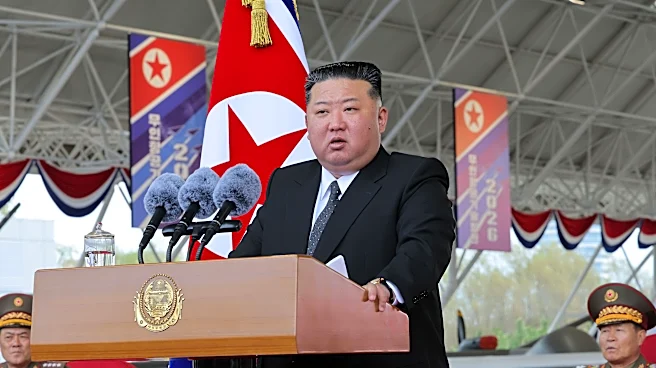
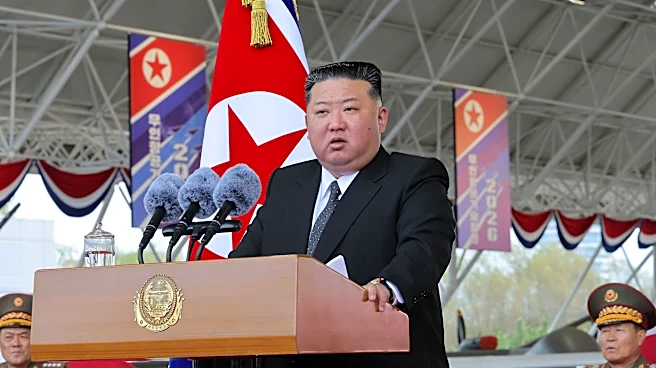
the limitations of existing security systems, which he noted are primarily focused on post-attack inspections and responses. He emphasized the need for a more proactive approach centered on early detection and prevention, coordinating security functions across both public and private sectors. The President's directive follows a series of significant cyber incidents, including the theft of $6.3 billion from cryptocurrency exchange Binance, attributed by the FBI to North Korean hackers, and breaches at major domestic companies like SK Telecom and Coupang, as well as various financial institutions. While South Korea currently has a National Cyber Crisis Management Group, cybersecurity responsibilities remain fragmented among intelligence, military, and civilian authorities, prompting calls for a more unified and effective response mechanism.
Why It's Important?
The proposal for a national cybersecurity coordinator underscores a critical need to centralize and streamline South Korea's cyber defense strategies. The current fragmented system, where multiple agencies handle different aspects of cybersecurity, often leads to inefficiencies, overlapping reporting requirements, and delayed responses during crises. A unified 'cybersecurity czar' could provide clearer authority and faster coordination, potentially preventing future large-scale breaches that can severely impact the national economy and security. The recent wave of cyberattacks, particularly those targeting financial institutions and critical infrastructure, highlights the vulnerability of the nation's digital assets. By adopting a more integrated approach, similar to models in countries like Singapore, the U.S., and the UK, South Korea aims to bolster its resilience against state-sponsored hacking groups and other malicious actors, thereby safeguarding its economic stability and national interests.
What's Next?
Following President Lee's directive, officials are tasked with considering the structure and scope of the proposed cybersecurity coordinator role. Key questions remain regarding whether this new authority will operate within the existing government framework or necessitate the creation of a separate agency with its own legal mandate and specialized personnel. Experts have suggested modeling a dedicated agency for civilian critical infrastructure, including telecommunications, finance, and manufacturing, partly on the U.S. Cybersecurity and Infrastructure Security Agency (CISA). The government will likely engage in discussions with cybersecurity experts, industry stakeholders, and legislative bodies to determine the most effective implementation strategy. The outcome will shape South Korea's future cybersecurity posture, aiming to create a more robust and coordinated defense system capable of addressing evolving cyber threats.
Beyond the Headlines
The push for a 'cybersecurity czar' reflects a broader global trend among nations grappling with the escalating threat of cyber warfare and sophisticated digital espionage. Beyond immediate incident response, the establishment of such a role could signify a fundamental shift in South Korea's national security doctrine, elevating cybersecurity to a top-tier strategic priority. This move could also foster greater public-private partnerships, encouraging information sharing and collaborative defense mechanisms across critical sectors. However, the challenge lies in balancing centralized authority with avoiding excessive bureaucracy, as some experts warn against simply adding another layer to an already complex system. The success of this initiative will depend on its ability to genuinely integrate disparate efforts, foster innovation in cyber defense technologies, and cultivate a national culture of cybersecurity awareness and resilience.