

What's Happening?
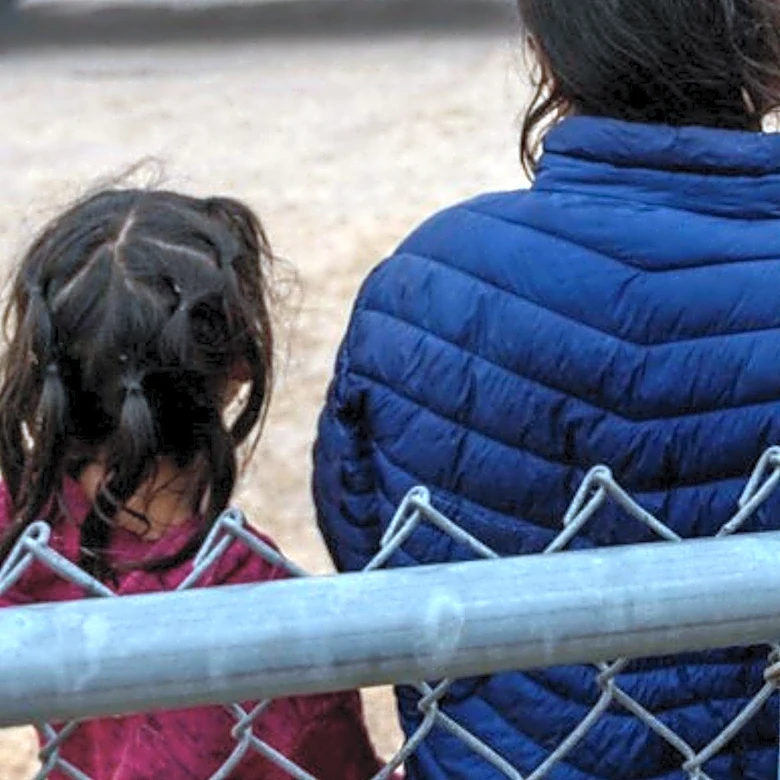
U.S. Senators Brian Schatz (D-Hawai’i) and Todd Young (R-Ind.) have co-introduced the bipartisan 'Stop Child Labor Act.' This legislation aims to combat illegal child labor by significantly increasing maximum fines for violations and establishing new
criminal penalties. The bill also proposes allowing victims of child labor violations to file private lawsuits for compensation. Furthermore, it seeks to foster collaboration between employers and government agencies to prevent child labor violations before they occur. Senator Schatz emphasized that current laws often allow exploitative employers to face only weak fines, making it financially advantageous for them to disregard child labor regulations. Senator Young highlighted that child labor exploitation is a current issue, not confined to the past or developing nations, and stressed the responsibility to protect American children and hold exploiters accountable. The bill is endorsed by several organizations, including the Child Labor Coalition and the National Consumers League.
Why It's Important?
This bipartisan initiative is crucial given the recent surge in federal child labor violations, which are reportedly at or near record levels according to the U.S. Department of Labor (DOL). The current Fair Labor Standards Act (FLSA) imposes fines that are often insufficient to deter companies from violating child labor laws, making it more cost-effective for some businesses to pay fines rather than comply. For instance, in fiscal year 2025, the DOL's Wage and Hour Division closed 976 cases involving child labor violations, a 72% increase in affected children since fiscal year 2019. This included 773 children employed in hazardous occupations. The proposed act seeks to rectify this by increasing civil penalties to a maximum of $132,270 for routine violations and up to $601,150 for violations resulting in death or serious injury. It also introduces criminal penalties, including fines up to $50,000 and a year in jail for repeat or willful violations, thereby significantly raising the stakes for non-compliant employers and offering stronger protections for vulnerable children.
What's Next?
The 'Stop Child Labor Act' will proceed through the legislative process in Congress, where it will be subject to committee review, debate, and potential amendments. If passed, the bill would lead to a substantial overhaul of child labor enforcement mechanisms in the U.S. The proposed grant program aimed at helping employers recognize and prevent child labor violations, along with the permanent establishment of a National Advisory Committee on Child Labor, suggests a multi-faceted approach to addressing the issue. Major stakeholders, including labor unions, child advocacy groups, and employer associations, will likely monitor its progress closely. The increased penalties and the ability for victims to seek compensation could lead to a significant reduction in child labor incidents and a greater emphasis on corporate responsibility. The bill's bipartisan support indicates a strong likelihood of advancing, potentially setting a new standard for child labor protection in the United States.
Beyond the Headlines
The proposed legislation addresses a deeper societal issue concerning the exploitation of vulnerable populations, particularly migrant children, who have been found working in hazardous conditions in various industries. The fact that child labor exploitation is occurring in the U.S. at 'record levels' challenges the perception that such issues are confined to developing nations. This bill highlights the ethical imperative to protect children and underscores the economic incentives that can drive illegal labor practices. By allowing children harmed by violations to seek compensation, the act not only provides a measure of justice for victims but also creates a powerful deterrent for employers. The focus on prevention through grants and advisory committees suggests a shift towards a more proactive approach, aiming to embed a culture of compliance rather than solely relying on punitive measures. This could lead to a re-evaluation of supply chain ethics and corporate accountability across various U.S. industries.