







What's Happening?
A bipartisan group of over 40 U.S. senators has written to United States Trade Representative Jamieson Greer, emphasizing the importance of the United States-Mexico-Canada Agreement (USMCA) for American agriculture. The senators highlighted the critical
market access to Canada and Mexico, which has significantly contributed to the success of American agriculture and the global competitiveness of U.S. producers. Since the USMCA's implementation on July 1, 2020, U.S. agricultural exports to Canada and Mexico have increased by $10.7 billion and $7.6 billion, respectively. The letter comes as the U.S., Canada, and Mexico prepare for a review of the USMCA, which could lead to a 16-year extension of the agreement if deemed effective.
Why It's Important?
The USMCA plays a vital role in maintaining a secure food supply chain and enhancing the global competitiveness of U.S. agricultural producers. The agreement's continuation is supported by industry groups, including the Agricultural Coalition for the USMCA, which consists of more than 40 organizations. These groups stress the importance of renewing the agreement to avoid potential harm to the agricultural sector. The USMCA's dispute settlement chapter has been particularly beneficial in resolving trade issues, further underscoring the agreement's significance. The upcoming review process is crucial for ensuring that the USMCA continues to benefit American farmers, ranchers, and rural communities.
What's Next?
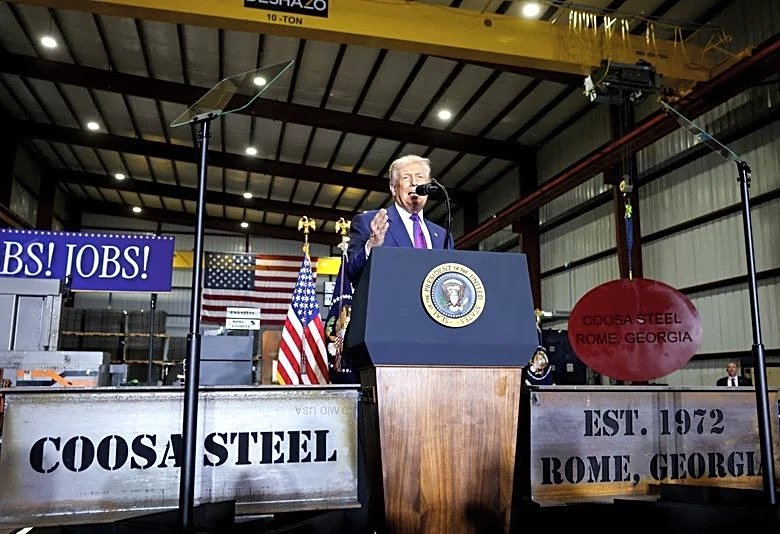
The USMCA review process will determine whether the agreement will be extended for another 16 years. The senators and industry groups are advocating for the review to highlight the benefits of the USMCA, ensuring that it reinforces stability and opportunity for American agriculture. However, President Trump's administration has expressed concerns about certain aspects of the agreement, with Commerce Secretary Howard Lutnick indicating that it needs reconsideration to better serve American interests. The outcome of the review will have significant implications for the future of U.S. agricultural trade with Canada and Mexico.