




What's Happening?
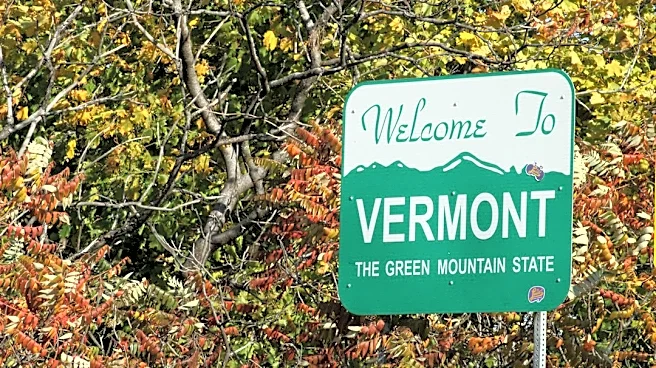
A recent Vermont Public poll indicates that 57% of respondents believe the state should implement a new annual tax on second homes. Conversely, 28% disagreed with the proposal, and 15% remained unsure. This issue has become a central point in Vermont's
current election cycle. Amanda Janoo, the Democratic nominee for governor, advocates for taxing 'luxury second homes' and 'commercial vacation rentals' at higher rates as part of her housing platform. Molly Gray, the Democratic nominee for lieutenant governor, suggests such a tax could fund universal primary care for Vermonters. Republican incumbents Governor Phil Scott and Lieutenant Governor John Rodgers, however, express caution about new taxes, emphasizing the need to control education costs and expand Vermont's tax base to reduce property taxes for primary homeowners. Support for the tax is higher among Democratic-leaning voters (70%) compared to Republican-leaning voters (43%) and independent or minor party respondents (54%).
Why It's Important?
The strong public support for a second home tax in Vermont reflects growing concerns over housing affordability and wealth distribution within the state. The debate highlights a fundamental tension between generating revenue for public services and potentially deterring investment or residency from second homeowners. If enacted, such a tax could significantly impact the real estate market, potentially increasing the availability of year-round housing by making second home ownership less attractive, or by incentivizing owners to convert properties to primary residences. It also represents a potential new revenue stream for the state, which could be directed towards critical areas like housing initiatives or healthcare, as proposed by some candidates. However, it also raises questions about the definition of a 'second home' and the potential for unintended consequences, such as driving away a segment of the tax base or affecting the tourism economy.
What's Next?
The discussion around a second home tax is expected to intensify as the election cycle progresses, with candidates likely to further elaborate on their proposals and counter-arguments. If Democratic candidates advocating for the tax are elected, legislative efforts to define and implement such a tax would likely follow. This would involve complex policy debates on what constitutes a 'second home,' potential exemptions, and the specific tax rate. The Vermont Department of Taxes has already conducted preliminary analyses, identifying a significant number of properties that could be subject to such a tax. Public and stakeholder input, including from second homeowners and real estate professionals, will be crucial in shaping any potential legislation. The outcome of the election will largely determine the immediate future of this tax proposal.
Beyond the Headlines
The debate over taxing second homes in Vermont touches upon broader societal issues of equity, resource allocation, and the balance between individual property rights and collective community needs. The high proportion of vacation homes in Vermont, a long-standing characteristic, now faces scrutiny in the context of a housing crisis. This policy discussion could set a precedent for other states grappling with similar challenges, particularly those with popular vacation destinations. The ethical dimension involves whether those with multiple properties should contribute more to public services, especially when their ownership might contribute to housing scarcity for permanent residents. The economic implications extend beyond direct tax revenue, potentially influencing migration patterns, local business dynamics, and the overall character of Vermont communities. Defining 'second home' also presents a legal and administrative challenge, as seen in other states that have implemented similar taxes.