






What's Happening?
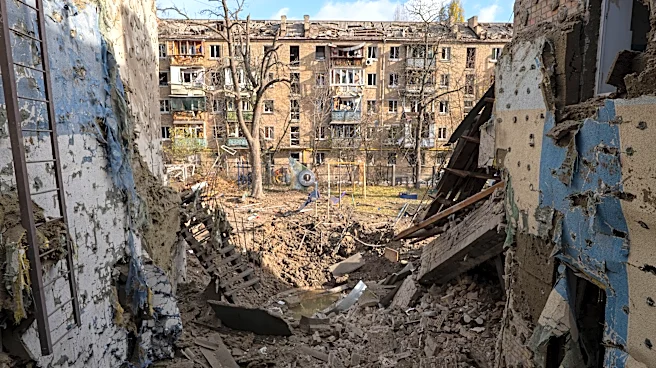
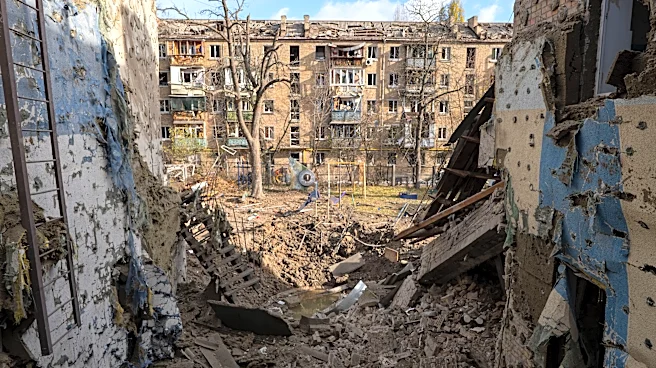
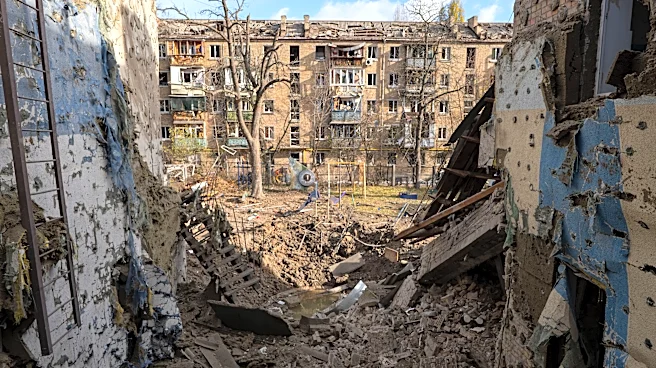
The conflict in Ukraine has escalated with a massive bombing in the Zaporizhzhia region, where a three-tonne guided bomb struck an underground shelter. This attack, described as the deadliest in the region since 2022, occurred in Komisubaja and resulted
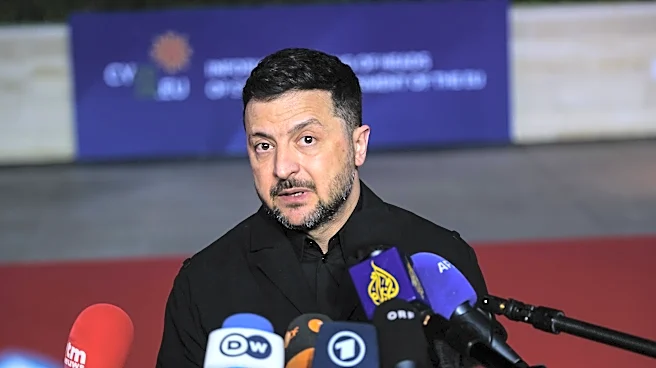
in 43 deaths and over 30 missing individuals. The attack utilized a 'double-tap' tactic, with a first bomb falling as residents gathered for humanitarian aid, followed by a second when rescuers arrived, flattening a school building used as a shelter. Concurrently, Ukrainian President Volodymyr Zelenskyy made a surprise visit to Madrid, his fifth official visit to Spain since the invasion began. During his visit, Zelenskyy sought urgent support from international leaders to protect Ukraine's energy infrastructure and discussed the potential transfer of Patriot interceptors from Spain and Greece to counter renewed Russian bombardments against civilian populations. The visit also addressed military training provided to Ukrainian soldiers and medical assistance for wounded individuals.
Why It's Important?
The bombing in Zaporizhzhia signifies a grave escalation in the conflict, demonstrating Moscow's intent to target civilian shelters and highlighting the severe humanitarian impact of the war. The use of a 3,000-kilo guided bomb underscores the destructive power being deployed and raises concerns about the safety of civilians, even in underground facilities. President Zelenskyy's urgent plea for air defense systems in Madrid reflects Ukraine's critical need to protect its energy infrastructure and civilian population from ongoing Russian attacks. The potential transfer of Patriot interceptors from Spain and Greece is crucial for bolstering Ukraine's air defense capabilities, which are vital for mitigating further damage and casualties. This diplomatic engagement also emphasizes the continued international support for Ukraine, as well as the ongoing efforts to counter Russian aggression and protect civilian lives, which has direct implications for U.S. foreign policy and humanitarian aid efforts.
What's Next?
Following President Zelenskyy's visit, negotiations regarding the transfer of Patriot interceptors from Spain and Greece to Ukraine are expected to continue. If successful, these systems could significantly enhance Ukraine's ability to defend against Russian missile and drone attacks, particularly targeting energy infrastructure. The international community will likely face renewed calls for increased humanitarian aid and military support for Ukraine in light of the escalating attacks on civilian targets. Russia's continued use of powerful guided bombs and its targeting of civilian areas suggest a sustained offensive, which will likely prompt further condemnation from international bodies. Diplomatic efforts to de-escalate the conflict and secure civilian protection will remain a priority, though the immediate outlook points to continued military engagement and humanitarian challenges. The focus will be on how quickly and effectively Ukraine can bolster its air defenses to protect its critical infrastructure and population.
Beyond the Headlines
The devastating attack in Zaporizhzhia and President Zelenskyy's urgent diplomatic efforts highlight the evolving nature of modern conflict, where civilian protection and critical infrastructure defense are paramount. The use of such powerful ordnance against shelters raises profound ethical questions about the conduct of warfare and the protection of non-combatants under international law. Furthermore, the disinformation campaigns surrounding alleged torture centers, as mentioned in the context of the Zaporizhzhia attack, underscore the pervasive role of propaganda in shaping narratives and diverting attention during wartime. This dual challenge of physical destruction and informational warfare presents complex dilemmas for international organizations and governments seeking to address the conflict. The ongoing need for advanced air defense systems also points to a long-term shift in military strategy, where aerial protection becomes a cornerstone of national security, influencing defense spending and technological development globally.