
What's Happening?
The U.S. Treasury Secretary Scott Bessent announced that the United States has seized approximately $1 billion worth of cryptocurrencies from Iran. This action is part of a broader crackdown on entities
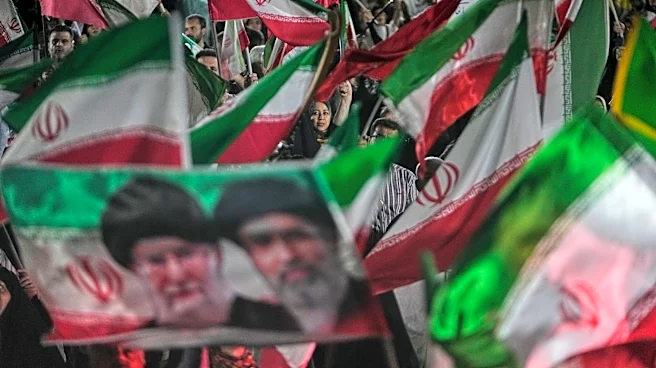
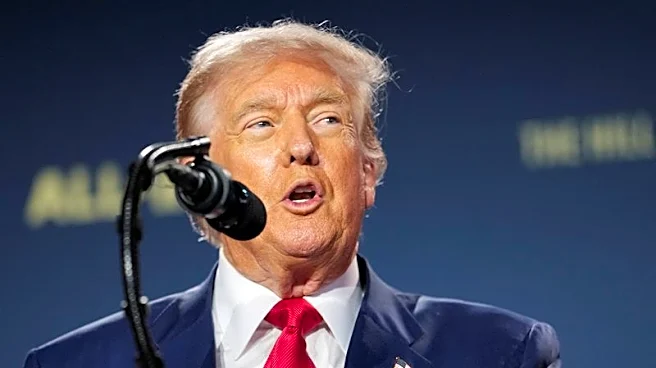
linked to Iran's military, particularly the Islamic Revolutionary Guard Corps, which has reportedly used Bitcoin and Tether's USDT stablecoin for various financial transactions. The seizures have occurred since the outbreak of military conflict in February, with the U.S. government targeting digital assets held by Iranian actors. Bessent made these remarks at the 2026 Reagan National Economic Forum, highlighting the U.S. government's efforts to curb Iran's financial activities amid ongoing geopolitical tensions.
Why It's Important?
The seizure of such a significant amount of cryptocurrency underscores the U.S. government's commitment to enforcing sanctions against Iran and disrupting its financial networks. This move could have substantial implications for international relations and the global economy, particularly in the oil sector, as Iran's financial activities are closely tied to oil exports through the Strait of Hormuz. The action also highlights the growing role of cryptocurrencies in international finance and the challenges they pose to traditional regulatory frameworks. Entities involved in cryptocurrency transactions may face increased scrutiny, potentially affecting the stability and trust in digital currencies.
What's Next?
The U.S. and Iran are reportedly nearing a deal that could ease tensions and potentially lead to a ceasefire. This agreement, pending approval from President Trump, could alter the geopolitical landscape and impact global oil markets. Additionally, the U.S. government's actions may prompt other countries to reassess their regulatory approaches to cryptocurrencies, especially in relation to national security concerns. Stakeholders in the cryptocurrency industry may need to adapt to heightened regulatory scrutiny and potential changes in international financial policies.