
What's Happening?
Attorney-General Gali Baharav-Miara has called on the High Court of Justice to make a temporary order permanent, blocking government actions against the newspaper Haaretz. The government had instructed
ministries to cease advertising and subscriptions with Haaretz, a move deemed unlawful by the attorney-general. This decision followed a cabinet directive in late 2024, led by Communications Minister Shlomo Karhi, to sever commercial ties with the newspaper. The attorney-general argues that these actions violate legal and administrative procedures and pose a threat to press freedom. The High Court had previously issued a conditional order requiring the state to justify its actions, which the attorney-general now seeks to make absolute, reversing the government's measures.
Why It's Important?
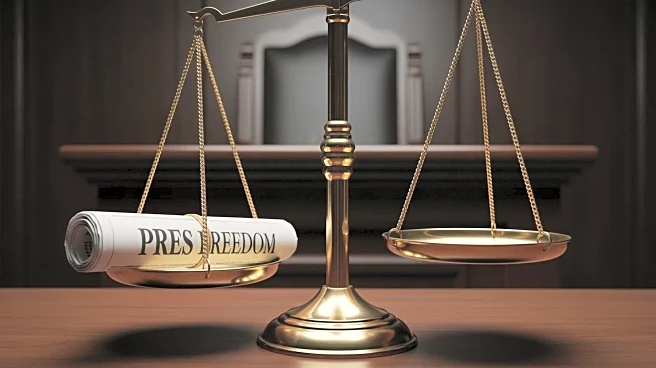
This case highlights significant issues regarding freedom of the press and government overreach. The attorney-general's stance underscores the importance of maintaining a free and independent press, which is crucial for democracy. The government's actions against Haaretz could set a dangerous precedent, potentially allowing political influence over media outlets. This situation raises constitutional concerns about freedom of expression and the role of government in regulating media. The outcome of this case could have lasting implications for press freedom and government-media relations in the country.
What's Next?
The High Court's decision on whether to make the order permanent will be pivotal. If the court sides with the attorney-general, it could reinforce legal protections for the press and limit government interference. Conversely, if the court upholds the government's actions, it may embolden further attempts to control media narratives. The case will likely attract attention from civil rights groups and international observers concerned with press freedom. The government's response and potential legal reforms could shape the future landscape of media regulation.