





What's Happening?
The United States Air Force (USAF) is actively seeking to acquire additional MQ-9 Reaper drones following substantial losses during operations in the Middle East. The losses, which include nearly 30 Reapers during Operation Epic Fury against Iran, have
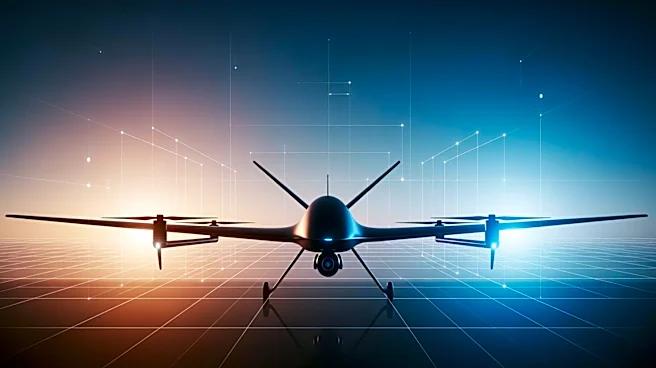
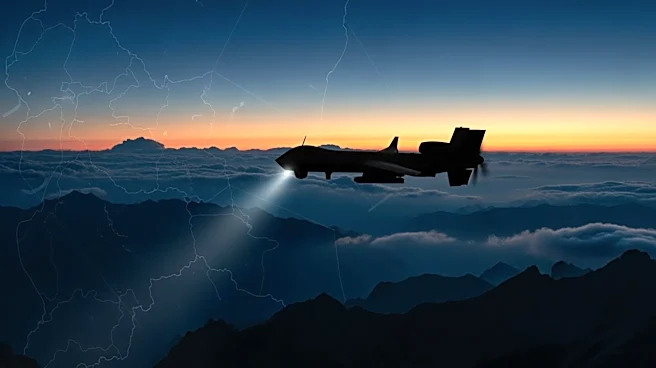
prompted the USAF to explore purchasing unused drones from General Atomics, the manufacturer. However, the availability of these drones is limited, with less than 10 new units reportedly available. The USAF's current fleet has decreased significantly, from 231 to 135 aircraft, raising concerns about the ability to maintain operational capabilities. The MQ-9 Reaper, valued for its intelligence-gathering and strike capabilities, has been a critical asset in the air war against Iran, despite questions about its survivability in future operations.
Why It's Important?
The loss of MQ-9 Reaper drones represents a significant challenge for the USAF, impacting its operational readiness and strategic capabilities in the Middle East. The Reaper's role in intelligence and combat operations is crucial, and the inability to quickly replace these assets could hinder military effectiveness. The situation underscores the need for the USAF to expedite the development of a successor drone, the 'MQ-9 Next,' to ensure continued aerial dominance. Additionally, the limited availability of replacement drones highlights potential vulnerabilities in the USAF's supply chain and procurement processes, which could have broader implications for national security and defense strategy.
What's Next?
The USAF is in the early stages of acquiring the 'MQ-9 Next,' but it will take years before these new drones are operational. In the meantime, the USAF is focused on acquiring existing MQ-9 Reapers to fill the immediate gap. This includes exploring options to repurpose parts from retired MQ-1 Predator drones. The USAF's efforts to backfill its fleet will likely involve negotiations with General Atomics and other potential suppliers. The outcome of these efforts will be closely watched by military analysts and policymakers, as it could influence future defense procurement strategies and budget allocations.