






What's Happening?
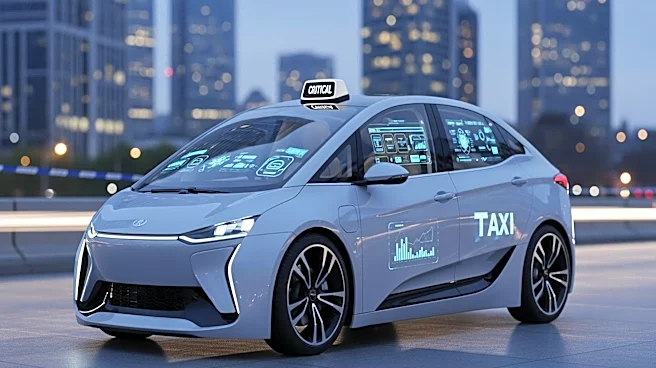
Californians have significantly increased their use of self-driving cars, with over 1.2 million rides taken in December, marking a 500% rise in 19 months. This surge was highlighted at the Autonomous Vehicles and the City Symposium in San Francisco, where
industry experts and policymakers discussed the implications of this growth. The state Secretary of Transportation, Adetokunbo Omishakin, emphasized the potential of autonomous vehicles (AVs) to reduce traffic fatalities, which numbered around 4,000 in 2023. The symposium also addressed the environmental benefits of AVs, such as reducing greenhouse gas emissions, and their integration into public transit systems. However, challenges remain, including the need for regulations that ensure public safety without hindering technological innovation. A new law, AB1777, will require AVs to have a remote operator for emergency situations, effective in July. Discussions also covered the appropriateness of minors using AVs unaccompanied, reflecting ongoing debates about safety and regulation.
Why It's Important?
The rapid adoption of self-driving technology in California highlights a transformative shift in transportation, with significant implications for public safety, environmental policy, and urban planning. The potential reduction in traffic fatalities and emissions aligns with broader state goals for safety and sustainability. However, the integration of AVs into existing infrastructure poses regulatory challenges, necessitating careful policy development to balance innovation with public safety. The introduction of laws like AB1777 reflects a proactive approach to addressing these challenges, ensuring that AVs can operate safely alongside traditional vehicles and emergency services. The debate over minors using AVs underscores the need for clear guidelines to protect vulnerable populations while embracing technological advancements.
What's Next?
As California continues to lead in AV adoption, the state will serve as a testing ground for new regulations and technologies. The implementation of AB1777 in July will be a critical step in ensuring AVs can safely interact with first responders. Policymakers will need to address ongoing concerns about the safety of unaccompanied minors in AVs, potentially leading to new age restrictions or safety protocols. The collaboration between AV companies and public transit systems will likely expand, with projects like the driverless fleet in San Jose serving as models for future integration. Stakeholders will need to maintain a dialogue to navigate the evolving landscape of autonomous transportation, balancing innovation with public interest.
Beyond the Headlines
The rise of AVs in California could have broader implications for urban development and labor markets. As AVs become more prevalent, cities may need to rethink infrastructure, such as parking and road design, to accommodate these vehicles. The shift could also impact jobs in driving and public transportation, necessitating workforce retraining and adaptation. Ethically, the deployment of AVs raises questions about data privacy and the responsibility of manufacturers in the event of accidents. Long-term, the success of AVs in California could influence national and international policies, setting precedents for how other regions approach autonomous transportation.