



What's Happening?
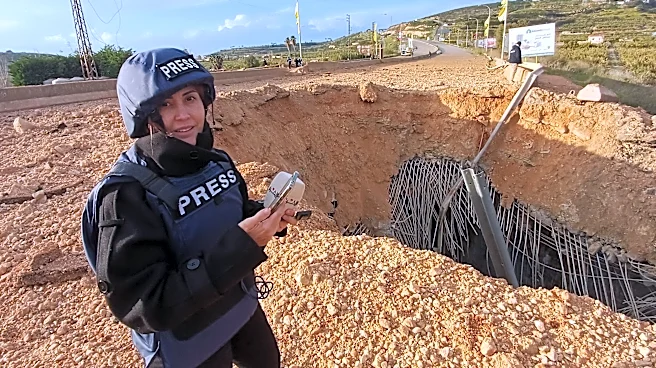
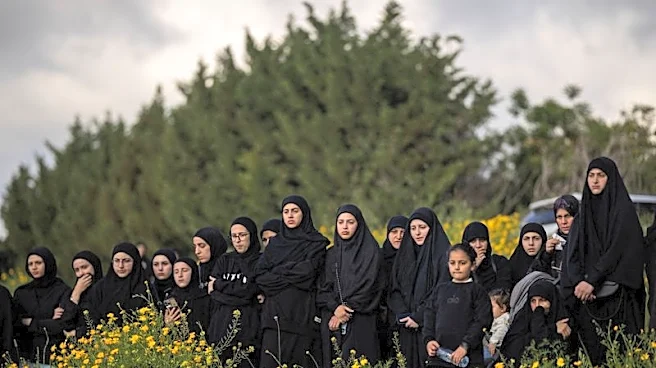
The killing of Lebanese journalist Amal Khalil by Israeli forces has drawn widespread condemnation. Khalil, who worked for al-Akhbar newspaper, was killed in a double-tap airstrike while reporting in southern Lebanon. Her death has been labeled a 'war
crime' by Lebanon's prime minister, and has sparked accusations against Israel of targeting media workers. Khalil had previously received threats from an Israeli phone number warning her to leave the area. The incident has intensified calls for accountability and raised concerns about the safety of journalists in conflict zones.
Why It's Important?
The targeting of journalists in conflict zones poses a significant threat to press freedom and the dissemination of information. Khalil's death highlights the dangers faced by media workers in volatile regions and the potential for such incidents to suppress critical reporting. The international condemnation of her killing underscores the need for stronger protections for journalists and accountability for those who target them. This incident may influence international relations and discussions on human rights and press freedom, particularly in the context of the ongoing conflict between Israel and Lebanon.
What's Next?
Lebanon is expected to pursue actions in international forums to address the targeting of journalists and seek justice for Khalil's death. The incident may lead to increased pressure on Israel to review its military practices and ensure the safety of media workers. International organizations and media rights groups are likely to continue advocating for stronger protections for journalists and accountability for violations of press freedom. The situation may also impact diplomatic efforts to maintain a ceasefire between Israel and Lebanon.