

What's Happening?
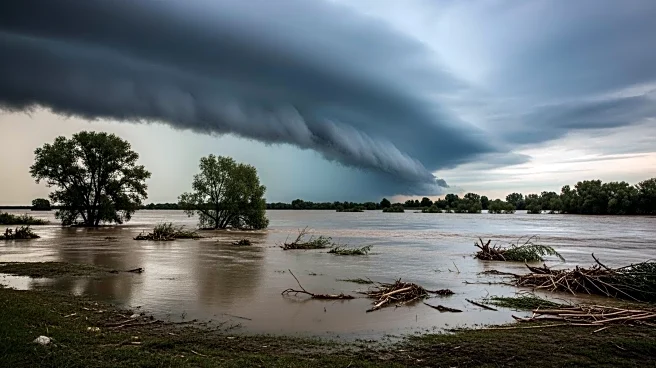
A severe winter storm has swept across Israel, resulting in significant flooding and property damage. The storm has claimed the lives of two individuals: a woman in her 50s who was critically injured by a heavy object in her home in the Shuafat refugee
camp, and a 17-year-old boy, Moshe Ludmir, who was swept away by floodwaters in the Nahal Modi'in stream. The Israel Nature and Parks Authority (INPA) has issued warnings about rising water levels in streams and rivers, leading to the closure of several parks due to flood risks. The affected areas include the Hermon-Banias Nature Reserve, Nachal Ayon Nature Reserve, and several national parks. The INPA has advised against entering flowing streams or approaching stream edges during floods due to the risk of collapse.
Why It's Important?
The severe weather conditions in Israel highlight the vulnerability of communities to natural disasters and the importance of preparedness and timely warnings. The fatalities underscore the potential dangers posed by extreme weather events, which can lead to loss of life and significant property damage. The closures of parks and nature reserves also impact local tourism and recreational activities, affecting the economy and daily life. This situation serves as a reminder of the need for effective emergency response systems and infrastructure to mitigate the impact of such events on communities.
What's Next?
Authorities are likely to continue monitoring weather conditions and water levels to prevent further incidents. The INPA and other relevant agencies may enhance their communication strategies to ensure the public is well-informed about potential risks. There may also be discussions on improving infrastructure and emergency response capabilities to better handle future weather-related challenges. Additionally, there could be increased focus on climate resilience and adaptation strategies to protect vulnerable areas and populations.
Beyond the Headlines
The recent events in Israel may prompt a broader discussion on climate change and its role in increasing the frequency and intensity of extreme weather events. This could lead to policy changes and increased investment in climate adaptation and mitigation efforts. The situation also highlights the importance of community awareness and education on safety measures during natural disasters. Long-term, there may be a push for more sustainable urban planning and development to reduce the impact of such events on densely populated areas.