






What's Happening?
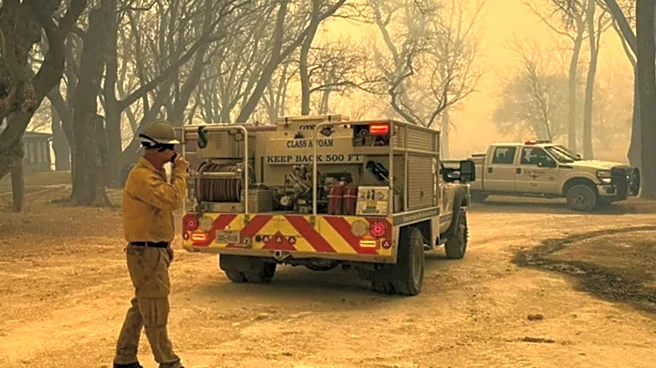
Federal wildlife officer David Taylor, 38, of Scio, Oregon, is believed to have died while assisting in the evacuation efforts during the Railroad South Fire in Comanche County, Oklahoma. According to the U.S. Fish and Wildlife Service, Taylor was going
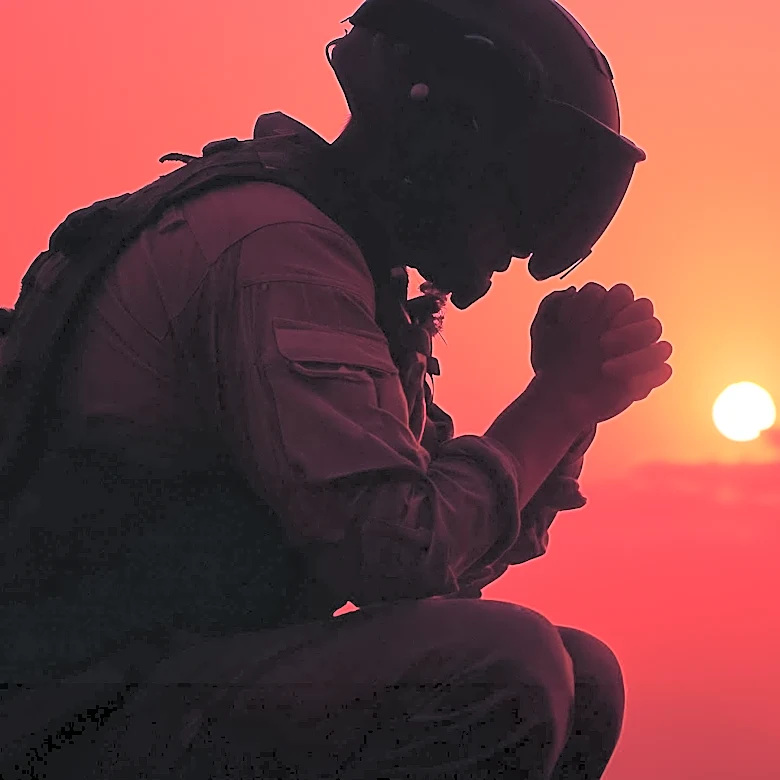
door-to-door helping residents evacuate in Indiahoma, a town southwest of Oklahoma City, when he made his last contact with dispatch. The fire has burned over 500 acres and was 20% contained as of Monday morning. Oklahoma Governor Kevin Stitt has ordered flags to be flown at half-staff until Friday to honor Taylor's service. U.S. Fish and Wildlife Service Director Brian Nesvik praised Taylor's courage and selflessness, noting his commitment to protecting others under dangerous circumstances. Taylor had a distinguished military career, serving on active duty with the U.S. Navy and continuing in the Navy Reserve, reaching the rank of senior chief petty officer. He completed five deployments, including one to Iraq and four to Djibouti, Africa, and served at multiple National Wildlife Refuges before joining the Wichita Mountains Wildlife Refuge in Oklahoma.
Why It's Important?
The death of Federal Wildlife Officer David Taylor underscores the significant risks faced by first responders, including federal personnel, during natural disasters like wildfires. His sacrifice highlights the dedication of individuals who prioritize public safety, often at great personal cost. This incident also brings attention to the increasing frequency and intensity of wildfires across the U.S., which strain emergency services and put communities at risk. The involvement of federal officers in local evacuation efforts demonstrates the collaborative nature of disaster response, where various agencies work together to protect lives and property. The recognition from state and federal officials, including Governor Stitt's order for flags at half-staff, emphasizes the profound impact of such losses on both the immediate community and the broader national consciousness, reinforcing the value placed on public service and heroism in the face of danger.
What's Next?
Formal identification of Officer Taylor will be determined by the medical examiner. The cause of the Railroad South Fire remains under investigation. Authorities will likely continue to assess the fire's containment and impact on the affected areas in Comanche County. The U.S. Fish and Wildlife Service and Oklahoma officials will continue to support Taylor's family and colleagues. This incident may prompt further discussions on safety protocols for first responders during wildfire evacuations and the resources allocated to combatting such blazes. The ongoing efforts to contain the fire and support the affected community will remain a priority for local and federal agencies. The broader implications for federal wildlife officers involved in emergency response may also be reviewed to enhance safety measures and support systems.
Beyond the Headlines
Officer Taylor's death highlights the often-overlooked dangers faced by federal wildlife officers, whose roles extend beyond conservation to include critical emergency response. His extensive military background, including multiple deployments, speaks to a profound commitment to service that transcended his specific job title. This incident could spark a broader conversation about the mental and physical toll on first responders, particularly those who serve in both military and civilian capacities. It also draws attention to the interconnectedness of environmental management and public safety, as federal agencies like the U.S. Fish and Wildlife Service play a crucial role in protecting communities from natural disasters. The narrative of selflessness in the face of extreme danger serves as a powerful reminder of the human element in disaster response and the sacrifices made to safeguard others.