


What's Happening?
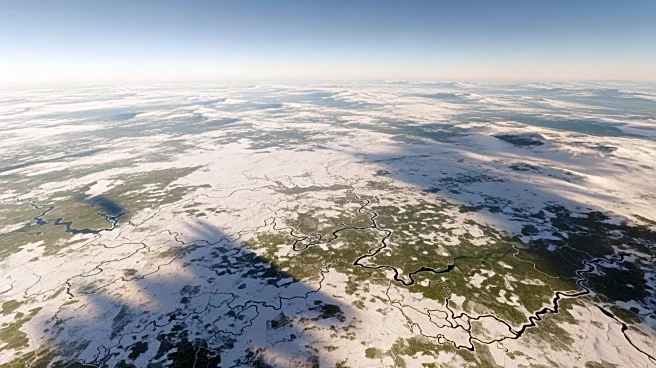
In late January 2026, a significant winter storm swept across North Carolina, resulting in widespread snow coverage that is atypical for the region. The Moderate Resolution Imaging Spectroradiometer (MODIS) on NASA’s Terra satellite captured images on February
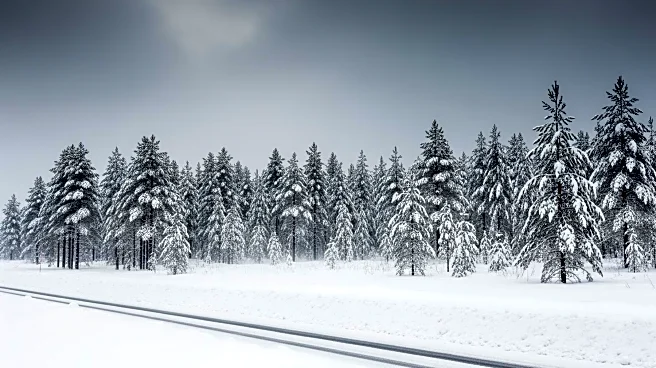
2, showing a continuous blanket of snow from the western mountains to the eastern beaches. According to the North Carolina State Climate Office, this event marked the first time in over a decade that all 100 counties in the state recorded measurable snowfall. The storm was characterized by Arctic air lingering from earlier in the week, which combined with moisture from a low-pressure system, leading to snow totals exceeding a foot in some mountainous areas. Cities like Charlotte experienced nearly a foot of snow, the most since 2004, while Raleigh saw lighter accumulations. Coastal areas, typically less affected by snow, also reported significant snowfall, with Carteret County receiving over a foot.
Why It's Important?
The unusual snowfall in North Carolina highlights the potential for extreme weather events to disrupt daily life and infrastructure in regions unaccustomed to such conditions. The storm caused hazardous road conditions, leading to traffic snarls and collisions, and affected coastal areas with high winds and waves. The overwash on Highway 12 in the Outer Banks resulted in standing water and sand on the road, and several homes on Hatteras Island were damaged. This event underscores the importance of preparedness for extreme weather, even in areas where such events are rare. It also raises questions about the potential impacts of climate variability on weather patterns, which could lead to more frequent or severe weather events in the future.
What's Next?
As communities in North Carolina recover from the storm, attention will likely turn to assessing the damage and improving infrastructure resilience to better handle future extreme weather events. Local governments may need to invest in road maintenance and emergency response capabilities to mitigate the impact of similar storms. Additionally, the event may prompt discussions on climate adaptation strategies to address the increasing unpredictability of weather patterns. Residents and businesses in affected areas will need to evaluate their preparedness plans and consider measures to protect property and ensure safety during future storms.