


What's Happening?
In 1894, a significant protest known as 'Coxey's Army,' led by Jacob Coxey, saw unemployed Americans march on Washington, D.C., to demand government assistance and public works projects during the Panic of 1893. This movement included many individuals
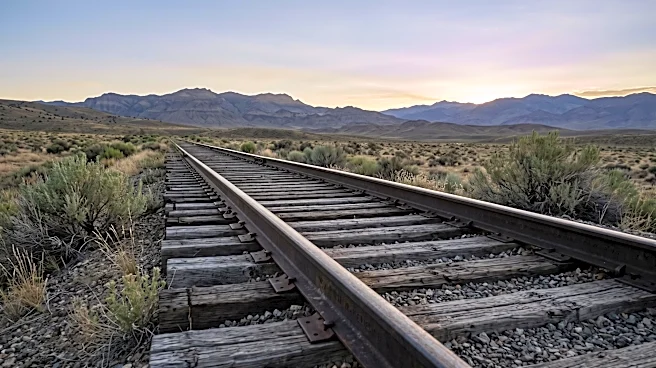
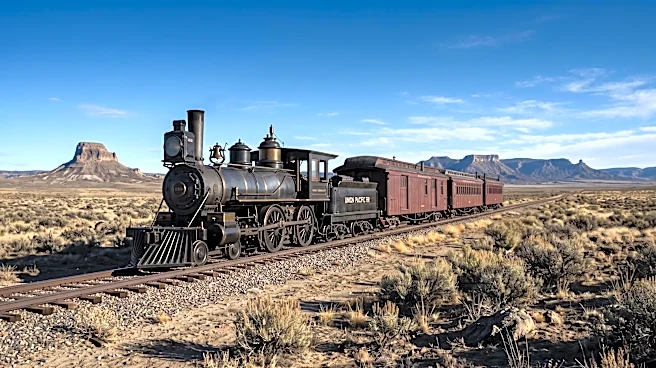
from Wyoming who had lost their jobs. A notable incident occurred in Green River, Wyoming, where approximately 250 protesters, part of Coxey's Army, were arrested after stealing a train in Montpelier, Idaho, in an attempt to reach the capital. U.S. Marshal Joseph P. Rankin, with the help of local men and soldiers from Fort Russell in Cheyenne, apprehended the group. The arrested individuals were subsequently taken back to Idaho to face charges for minor offenses. Coxey himself was arrested upon reaching the U.S. Capitol for trespassing and attempting to speak from the Capitol steps. The protest's exploits are also speculated to have inspired L. Frank Baum's 1900 book, 'The Wonderful Wizard of Oz.'
Why It's Important?
The 'Coxey's Army' protest is a pivotal moment in U.S. labor history, highlighting the severe economic distress and social unrest during the Panic of 1893, which saw unemployment rates reach 20%. The involvement of Wyomingites and the arrests in Green River underscore the widespread impact of the economic downturn across the nation and the desperate measures people took to be heard. This event demonstrated early forms of organized labor protest and the government's initial resistance to such demands. Although Coxey's immediate demands were not met, the protest laid groundwork for future social and economic policies, including elements that would later be seen in President Franklin D. Roosevelt's New Deal. The historical connection to 'The Wonderful Wizard of Oz' also illustrates how significant social movements can permeate and influence American culture and literature, offering a unique lens through which to understand the era's challenges and aspirations.
What's Next?
While 'Coxey's Army' is a historical event, its legacy continues to be studied and re-evaluated in the context of U.S. labor history and economic policy. Historians and economists will likely continue to analyze the parallels between the demands of Coxey's Army and subsequent government interventions during economic crises. The cultural impact, particularly the ongoing discussion about its influence on 'The Wonderful Wizard of Oz,' will remain a topic of literary and historical interest. Future discussions may also explore how the government's response to such protests evolved over time, leading to the establishment of labor rights and social welfare programs. The event serves as a historical precedent for understanding the dynamics between public discontent, organized protest, and governmental reaction during periods of economic hardship.
Beyond the Headlines
The 'Coxey's Army' protest reveals deeper insights into the American spirit of resilience and the persistent struggle for economic justice. The act of stealing a train, while illegal, symbolized the desperation of individuals seeking a voice and a means to survive. The public's initial support, followed by a shift in sentiment due to the train thefts, highlights the complex ethical dilemmas that can arise during social movements. The speculation about 'The Wonderful Wizard of Oz' being an allegory for Coxey's Army adds a rich layer to American cultural studies, suggesting that popular narratives can subtly reflect and interpret significant socio-political events. This historical episode underscores the enduring tension between individual agency and collective action, and the role of government in addressing widespread economic hardship, themes that remain relevant in contemporary society.