


What's Happening?
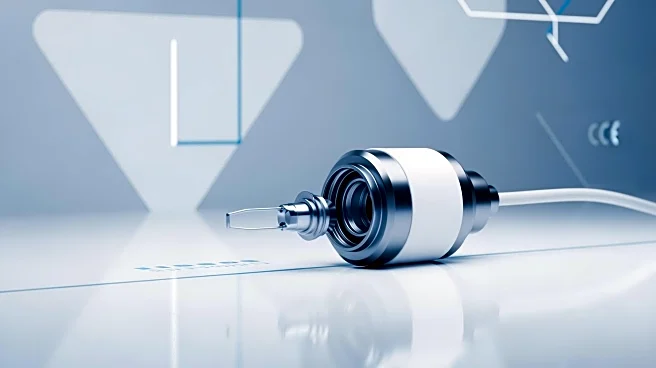
A new study published in the European Heart Journal – Digital Health reveals that an AI-enabled digital stethoscope is twice as effective as traditional stethoscopes in detecting valvular heart disease (VHD). Conducted in the U.S., the study involved
357 patients over the age of 50 and demonstrated a 92.3% sensitivity rate for the AI tool, compared to 46.2% for standard exams. This significant improvement suggests that many heart valve issues are currently being missed in primary care settings.
Why It's Important?
Valvular heart disease affects over 50% of adults over 65, often presenting with vague symptoms that can lead to missed diagnoses. The AI-enabled stethoscope's ability to detect these conditions more accurately could drastically reduce hospitalizations and healthcare costs associated with heart failure. This advancement underscores the potential of AI in enhancing diagnostic accuracy and improving patient outcomes, without replacing the critical judgment of healthcare professionals.
What's Next?
The adoption of AI-enabled stethoscopes in primary care could become more widespread as healthcare providers seek to improve diagnostic accuracy. Further studies and real-world applications will be necessary to validate these findings and integrate AI tools into routine practice. The healthcare industry may also see increased investment in AI technologies, driving innovation and potentially reshaping diagnostic protocols.