






What's Happening?
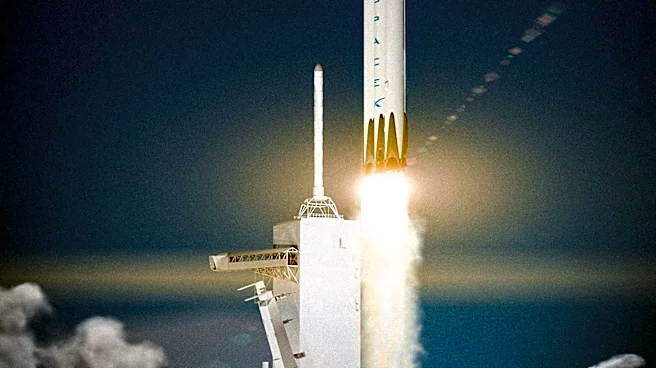
Sweden is set to launch its first Iceye synthetic aperture radar satellite by the end of the year, as part of an expedited plan to enhance its Earth observation capabilities. This initiative, led by Rear Adm. Anders Sundeman, comes in response to a 'severe
security situation' that prompted Sweden to advance its original timeline by four years. The Swedish Armed Forces plan to deploy an initial fleet of about 10 Earth observation satellites, with options for more. This acceleration aligns with the modernization of the Swedish Air Force, including the introduction of the Saab Gripen E fighter and GlobalEye airborne early warning systems. The satellites will support both Swedish and allied needs, with an emphasis on avoiding duplication in intelligence collection.
Why It's Important?
The accelerated satellite program underscores Sweden's strategic shift towards enhancing its military capabilities in response to regional security threats. By advancing its satellite launch schedule, Sweden aims to bolster its surveillance and reconnaissance capabilities, which are crucial for national defense and alliance commitments. This move also reflects a broader trend among nations to invest in space-based technologies for military applications. The development of these capabilities is likely to enhance Sweden's role within international defense alliances, potentially influencing geopolitical dynamics in the region.
What's Next?
Sweden plans to continue expanding its satellite fleet, with further launches anticipated. The country is also building its data exploitation capabilities to ensure comprehensive control over its satellite operations. As these capabilities develop, Sweden may seek to collaborate more closely with international partners to enhance its intelligence and defense strategies. The successful deployment and operation of these satellites could lead to further investments in military satellite communications and other space-based technologies.