





What's Happening?
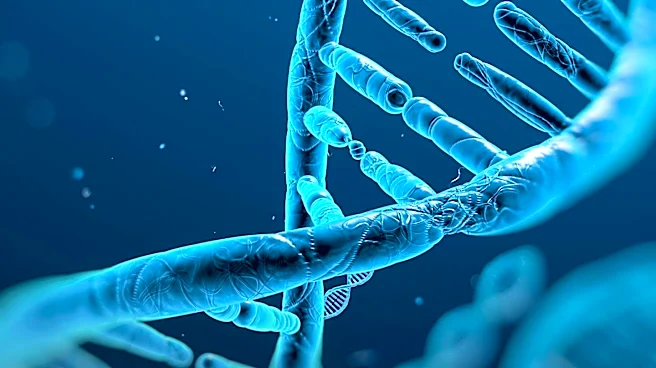
Immunotherapy research is significantly altering the landscape of childhood cancer treatment, moving beyond simply adapting adult therapies. Scientists are focusing on the unique biology of pediatric cancers, which often differ fundamentally from adult cancers in their
genetic and developmental origins. Dr. Robbie Majzner, a pediatric oncologist and physician-scientist, is leading research into CAR T-cell therapy, a method that engineers a patient's T cells to recognize and target specific cancer cells. This approach has already shown success in treating some childhood leukemias, and efforts are underway to extend its efficacy to solid tumors. Researchers are also investigating ways to make cell therapy more accessible, including in vivo CAR T-cell therapy, which aims to generate CAR T cells directly within the body, bypassing the need for laboratory engineering. Additionally, antibody-based therapies and antibody-drug conjugates are emerging as new treatment avenues in pediatric oncology.
Why It's Important?
The shift towards designing therapies specifically for childhood cancers, rather than modifying adult treatments, is crucial because pediatric cancers have distinct biological characteristics. Many childhood cancers are driven by genetic, epigenetic, or developmental changes, and they often have fewer mutations compared to adult cancers, making traditional immune checkpoint inhibitors less effective. By developing targeted immunotherapies like CAR T-cell therapy, researchers aim to create a 'synthetic immune response' that can effectively combat these unique cancer types. This specialized approach holds the potential to improve survival rates and reduce the long-term health effects associated with intensive conventional treatments in children. The development of easier-to-produce and deliver cell therapies, such as in vivo CAR T-cell therapy, could also significantly expand access to these advanced treatments, benefiting a larger population of pediatric cancer patients.
What's Next?
The immediate future of childhood cancer immunotherapy involves continued research into refining CAR T-cell therapies to enhance their effectiveness against solid tumors. Dr. Majzner's laboratory is actively working on designing new receptors for CAR T cells to improve their ability to distinguish cancer cells from healthy tissue and to identify new targets on pediatric tumors. Further exploration into in vivo CAR T-cell therapy and other novel treatments like antibody-based therapies is expected to advance, with the goal of making these interventions more widely available and less burdensome for young patients. The focus remains on developing treatments that not only increase survival but also ensure a higher quality of life for survivors, minimizing the long-term side effects of cancer treatment. Flexible funding for high-risk, foundational research will be critical to uncovering the next generation of breakthroughs in this field.
Beyond the Headlines
The advancements in childhood cancer immunotherapy highlight a broader paradigm shift in medical research: the recognition of unique patient populations and the necessity for tailored treatments. This approach moves beyond a 'one-size-fits-all' model, emphasizing precision medicine based on the specific biological underpinnings of diseases in different age groups. The challenges in funding high-risk, early-stage research, particularly for rarer cancers, underscore the importance of sustained investment in basic science. Discoveries made decades ago in T-cell signaling are now foundational to current CAR T-cell therapies, illustrating the long-term impact of seemingly abstract research. This ongoing work also raises ethical considerations regarding equitable access to these advanced, often expensive, therapies and the need for robust support systems for families navigating complex treatment journeys for their children.