



What's Happening?
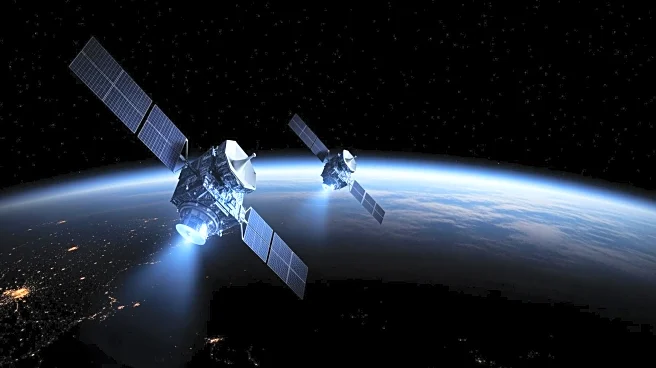
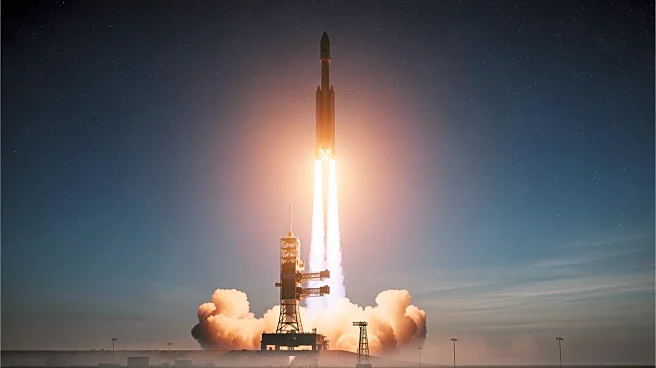
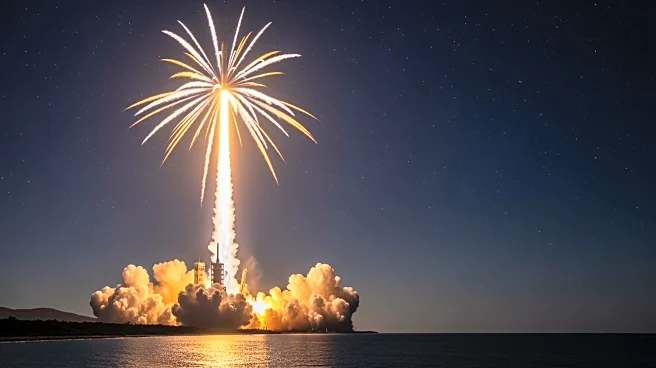
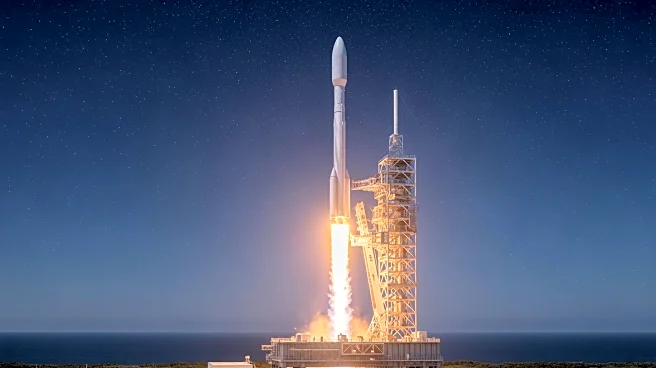
SpaceX successfully launched a Falcon 9 rocket carrying 29 Starlink internet satellites from Launch Complex 40 at Cape Canaveral Space Force Station. The launch, initially scheduled for Wednesday, took place on Thursday, February 19, at 8:41 p.m. The mission
included a southeast trajectory along Florida's coast, with the rocket's first-stage booster landing on a drone ship in the Atlantic Ocean near The Bahamas. This marks the second time SpaceX has landed a booster that far south. The 45th Weather Squadron had predicted a greater than 95% chance of favorable conditions for the launch.
Why It's Important?
The successful deployment of 29 Starlink satellites is a significant step in SpaceX's mission to provide global internet coverage. This launch contributes to the expansion of the Starlink network, which aims to offer high-speed internet access to underserved and remote areas worldwide. The ability to land boosters on drone ships far from the launch site demonstrates SpaceX's continued innovation in reusable rocket technology, which is crucial for reducing the cost of space travel and increasing the frequency of launches. This mission also highlights the strategic importance of Cape Canaveral as a launch site for space exploration and commercial satellite deployment.
What's Next?
Following the successful launch and booster landing, SpaceX will continue to monitor the deployment and operation of the newly launched Starlink satellites. The company plans to conduct more launches to further expand the Starlink constellation. Additionally, SpaceX's advancements in reusable rocket technology may influence future space missions and collaborations with other space agencies and commercial partners. The next steps for SpaceX include preparing for upcoming launches and continuing to refine their technology to enhance efficiency and reliability.